
Pets can become some of the most important companions in a child’s life. A friendly dog, a calm cat, or another family pet can teach children kindness, patience, responsibility, and respect for living creatures. Growing up around animals can create wonderful memories and help children understand that animals have emotions, needs, and personal boundaries just like people do.
However, children do not automatically know how to behave around pets. They may hug too tightly, pull a tail, disturb a sleeping animal, or approach a pet while it is eating. These actions are usually caused by excitement or curiosity rather than bad intentions. Still, even a gentle animal may react defensively if it feels frightened, trapped, or uncomfortable.
Teaching children to interact safely with pets is therefore an important responsibility for every parent and pet owner. Safe interaction protects children from scratches and bites while also protecting animals from stress and rough handling. The goal is not to make children afraid of animals. Instead, children should learn how to enjoy pets while respecting their comfort and signals.
Start Teaching Pet Safety at an Early Age
Children can begin learning basic pet safety as soon as they are able to understand simple instructions. Young children may not remember every rule immediately, so parents should repeat lessons regularly.
Simple instructions are often the most effective.
Teach children to use gentle hands when touching an animal. Show them how to stroke a dog or cat slowly instead of grabbing fur or patting roughly. Explain that ears, tails, paws, and whiskers should never be pulled.
Children learn especially well by watching adults. When parents interact calmly with pets, children are more likely to copy that behavior.
If adults shout at animals, chase them, or handle them roughly, children may assume this behavior is acceptable. Demonstrating kindness is one of the strongest ways to teach respectful interaction with pets.
Always Supervise Young Children Around Pets
Adult supervision is one of the most important pet safety rules for children.
Even a family pet that has lived in the home for many years can become uncomfortable in certain situations. Young children can also behave unpredictably. A child may suddenly scream, fall onto the pet, grab its fur, or try to take away a toy.
An adult should remain close enough to notice signs of discomfort before a problem develops.
Supervision should be active. Simply being in the same room while focusing on a phone or television may not be enough.
Watch both the child and the animal. If either appears uncomfortable, calmly separate them and allow the pet to move somewhere quiet.
As children become older and demonstrate responsible behavior, they can gradually be given more independence around family pets.
Teach Children to Approach Pets Calmly
Running directly toward an animal can be frightening, particularly if the pet does not know the child.
Children should learn to approach pets slowly and calmly. Sudden movements, shouting, and excited jumping can make some animals nervous.
When meeting an unfamiliar dog, children should first ask the owner whether they may touch the dog. Not every dog enjoys interacting with strangers.
If the owner gives permission, the child should remain calm and allow the dog to become comfortable before touching it.
Cats also need space when meeting new people. Many cats prefer to approach someone on their own rather than being picked up or followed.
Teaching children to allow animals to choose whether they want interaction helps develop respect for animal boundaries.
Help Children Understand Animal Body Language
One of the best ways to improve pet safety is teaching children that animals communicate through body language.
Dogs and cats cannot explain their feelings with words, but their posture and behavior often provide clues about how they feel.
A relaxed dog may have a loose body, comfortable facial expression, and natural tail position. A nervous or uncomfortable dog may turn its head away, move backward, lick its lips repeatedly, lower its body, or try to leave.
A cat that feels relaxed may approach willingly, blink slowly, or rest comfortably nearby. An uncomfortable cat may flatten its ears, flick its tail sharply, hide, growl, or attempt to move away.
Children do not need to become experts in animal behavior. They simply need to understand one important principle.
If a pet is trying to move away, let it go.
Following or cornering an animal that wants space can increase stress and the possibility of defensive behavior.
Never Disturb a Sleeping Pet
Sleeping animals should be left alone.
Children may be tempted to wake a pet because they want to play, but sudden touching can startle an animal. A frightened pet may react before fully understanding what is happening.
Create a household rule that when a pet is sleeping, children should wait until it wakes naturally.
The pet’s bed, crate, or favorite sleeping area can also be treated as a quiet zone.
Children should understand that everyone needs somewhere peaceful to rest, including animals.
This simple rule gives pets a safe place where they know they will not be disturbed.
Give Pets Space While They Eat
Eating time is another situation where children should give animals space.
Some pets are completely comfortable with people nearby while eating, while others may feel protective of food.
Children should never place their hands inside a food bowl, remove food from a pet’s mouth, or tease an animal with food.
The safest approach is to let pets finish eating without unnecessary interruption.
Parents can explain that just as children would not enjoy someone repeatedly touching their dinner, pets also deserve peaceful mealtimes.
Food bowls can be placed in an area where animals can eat comfortably without children running around them.
Teach Safe Play Habits
Playing with pets is one of the most enjoyable ways for children and animals to build a positive relationship.
However, play should remain controlled and safe.
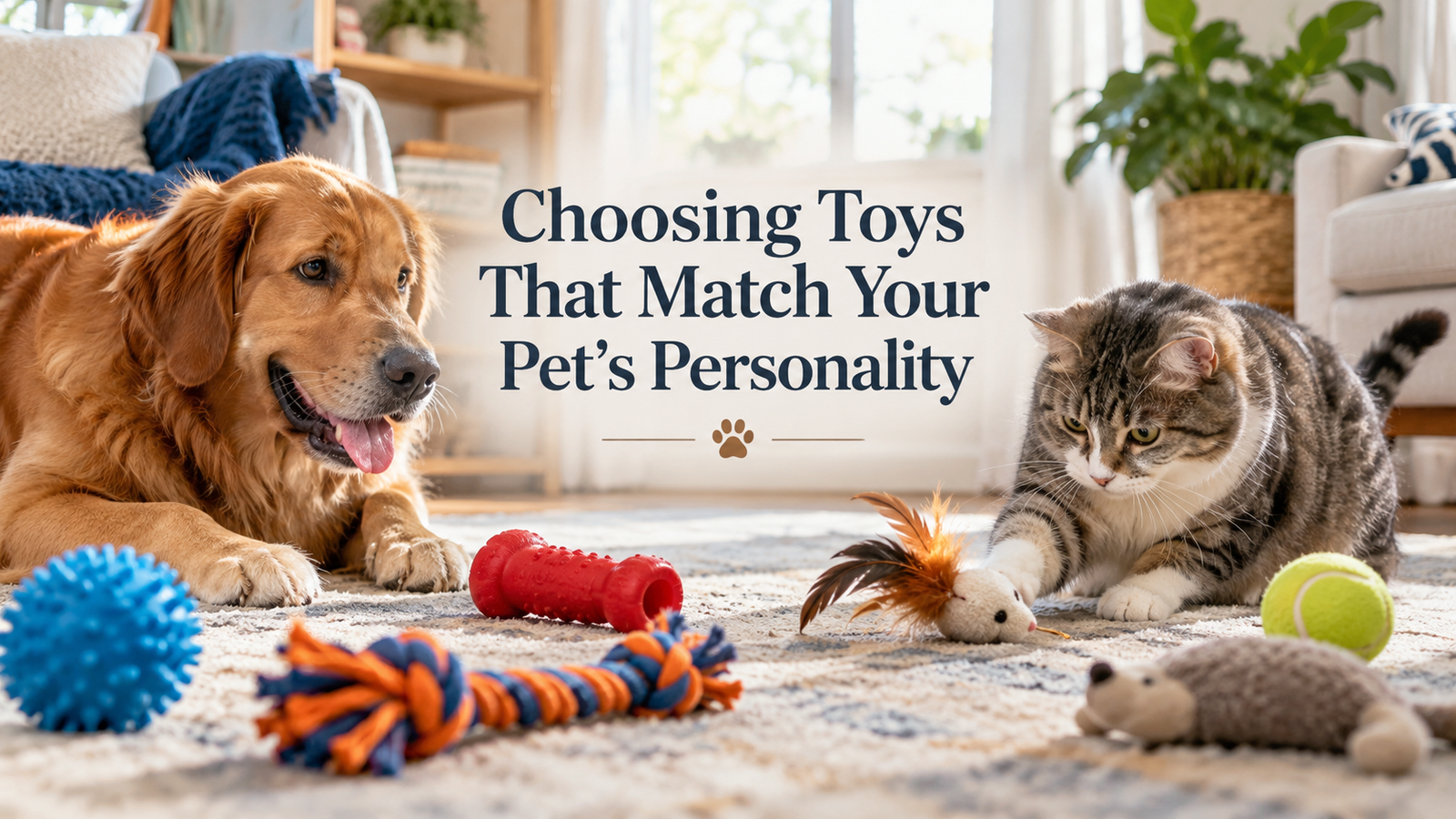
Encourage children to use appropriate pet toys rather than their hands. Dogs can play with suitable balls, ropes, or other toys, while cats may enjoy wand toys, soft balls, or interactive toys.
Using toys helps create some distance between a child’s hands and an excited animal’s teeth or claws.
Children should also learn when play is becoming too intense.
If a dog becomes overly excited or a cat begins using claws aggressively, it may be time to stop playing and allow the animal to settle down.
Short and positive play sessions are usually better than continuing until either the child or pet becomes overstimulated.

Explain Why Hugging May Make Pets Uncomfortable
Children often show affection by hugging. While this is natural between people, some animals do not enjoy being tightly held.
A child may believe that hugging a dog or cat means love, while the animal may feel trapped.
Teach children other ways to show affection. Gentle stroking, calm talking, offering an appropriate treat with adult permission, or sitting quietly near the animal can all create positive experiences.
Some pets enjoy close physical contact, while others prefer more space.
Children should learn to respect the individual personality of each animal.
Do Not Allow Children to Chase Pets
A pet running away can sometimes look like an invitation to play, especially to a young child.
However, chasing can quickly become stressful for the animal.
If a cat runs under furniture or a dog moves into another room, children should allow it to leave.
An animal should never feel that it has to keep running because someone will not stop following it.
Giving pets control over when interactions begin and end can make them feel safer around children.
Over time, pets are often more willing to approach children when they know their boundaries will be respected.
Teach Children How to Meet Unfamiliar Animals
Children should understand that the behavior of their own family pet does not represent every animal.
A friendly family dog may enjoy being touched by everyone, but an unfamiliar dog may be nervous around children.
Before touching someone else’s pet, children should always ask permission from the owner.
They should also avoid approaching animals that are alone, tied somewhere, behind fences, or inside vehicles.
Unknown animals may have health problems, fear issues, or behavioral histories that a child cannot recognize.
Children should never approach stray animals without adult assistance.
If they see an injured or lost animal, they should tell a trusted adult instead of trying to capture it themselves.
Involve Children in Gentle Pet Care
Safe pet care activities can help children develop stronger relationships with animals.
Depending on the child’s age, they may help fill a water bowl, prepare food with supervision, organize pet toys, or gently brush the pet if the animal enjoys grooming.
These responsibilities teach children that having a pet involves more than playing.
Animals depend on people for food, water, exercise, cleanliness, comfort, and medical care.
Young children should receive close supervision during pet care activities. Older children can gradually take on more responsibility, but adults should still make sure the animal’s needs are being properly met.
Respect the Pet’s Private Space
Every pet should have a place where it can relax without being disturbed.
This could be a dog bed, crate, cat tree, quiet corner, or separate room.
Children should learn that when the animal enters this space, they should not follow it unless an adult says it is appropriate.
A private resting area can be especially valuable in busy homes where children are active throughout the day.
Pets sometimes need a break from noise and attention.
Providing that break can reduce stress and help maintain a positive relationship between children and animals.
Avoid Punishing Pets for Warning Signals
Growling, hissing, moving away, and similar behaviors are often warnings that an animal feels uncomfortable.
Adults should not encourage children to continue interacting with a pet after these signs appear.
Instead, separate the child and animal calmly.
Punishing an animal simply for communicating discomfort may cause it to stop giving obvious warning signals in the future.
It is better to understand what caused the discomfort and prevent the situation from happening again.
Children can be taught that a growl or hiss means the pet needs space immediately.
Teach Children What to Do Around an Excited Dog
Children should also know what to do if an unfamiliar dog approaches them excitedly.
Running and screaming may increase the dog’s excitement.
Instead, children can be taught to remain calm, keep their arms close to their body, and avoid sudden movements.
They should wait for a responsible adult or the dog’s owner to manage the situation.
These lessons should be explained in a reassuring way so children understand how to respond without becoming unnecessarily afraid of dogs.
Encourage Empathy Toward Animals
Pet safety becomes easier when children understand that animals have feelings.
Ask children simple questions such as how they think the pet feels when someone pulls its tail or wakes it suddenly.
Encouraging children to think from the animal’s perspective develops empathy.
Praise children when they behave gently.
For example, if a child stops playing because the cat walks away, acknowledge that decision. Explain that allowing the cat to leave was respectful and kind.
Positive reinforcement helps safe behavior become a natural habit.
Make Pet Safety Rules Consistent
Children learn best when rules remain consistent.
If pulling the dog’s ears is forbidden today but ignored tomorrow, the child may become confused.
All adults in the household should follow similar pet safety expectations.
Useful household rules can include using gentle hands, leaving sleeping pets alone, not disturbing pets while they eat, asking before touching unfamiliar animals, avoiding chasing, and giving animals space when they move away.
These rules do not need to feel strict or frightening. They can simply become part of normal family life.
Final Thoughts
Teaching children to interact safely with pets creates a healthier relationship between children and animals. The most important lessons are based on respect, patience, supervision, and understanding.
Children should learn that pets are not toys. They are living creatures with their own emotions, preferences, and limits.
By teaching gentle handling, recognizing basic animal body language, respecting resting and eating spaces, and supervising young children carefully, parents can greatly reduce stressful or unsafe situations.
At the same time, children can enjoy the many positive experiences that come from living with animals. They can learn compassion, responsibility, patience, and kindness while developing a bond that may remain one of their favorite childhood memories.
Safe interactions do not require complicated rules. They begin with one simple idea: treat animals with the same care and respect that we would want for ourselves.