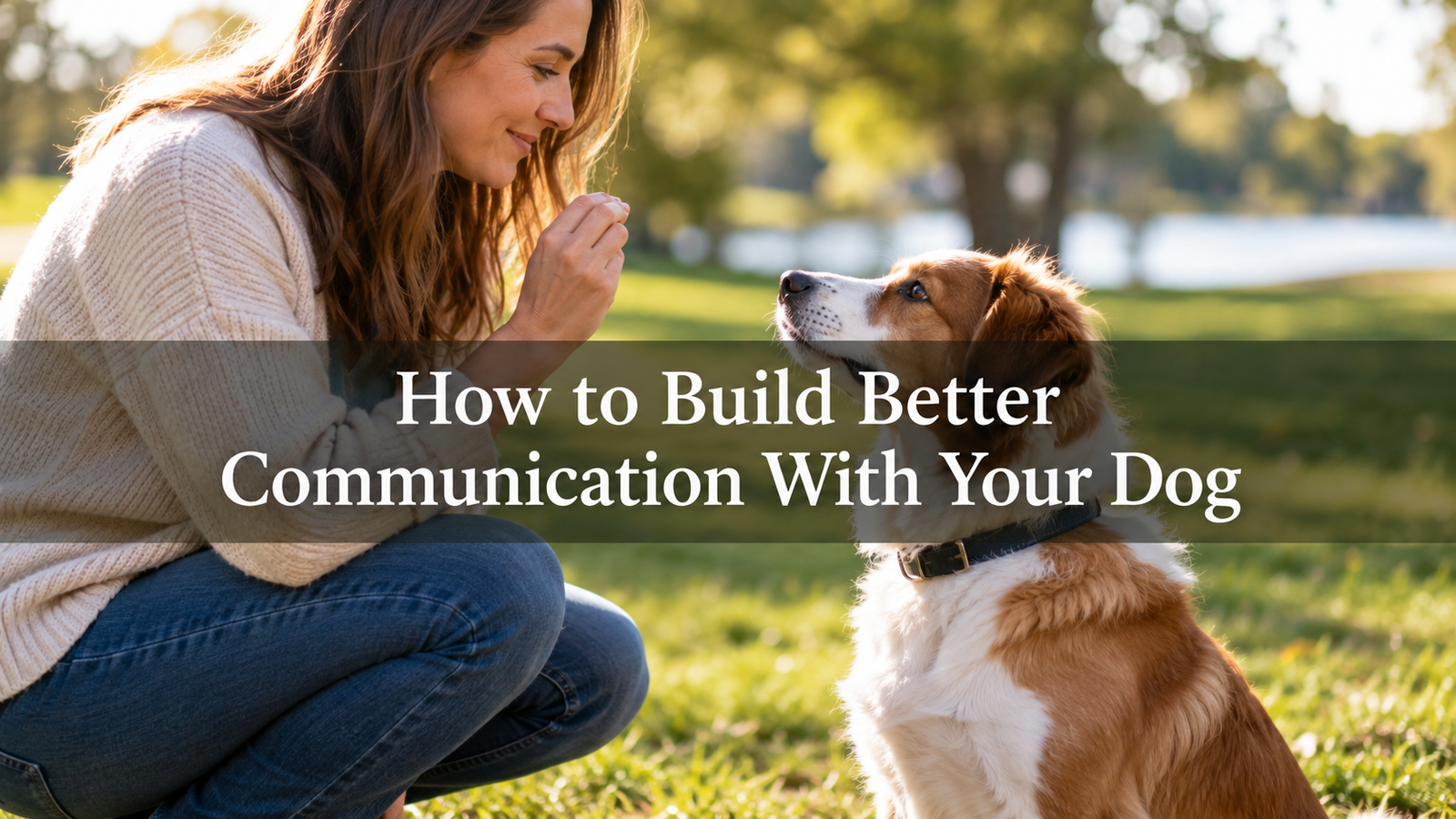

A dog jumping on guests may look harmless at first, especially when the dog is still young. Many puppies jump because they are excited, friendly, and eager to greet people. The problem begins when the puppy becomes a bigger and stronger adult dog. What once seemed cute can become uncomfortable, annoying, or even dangerous for visitors.
Learning how to stop your dog from jumping on guests is an important part of basic dog training. A well trained dog should be able to welcome people without knocking them over, scratching their clothes, or making them feel nervous.
The good news is that jumping is a behavior that can usually be changed with patience, consistency, and positive training. Dogs are not trying to be rude when they jump. In most cases, they have simply learned that jumping gets attention.
Once you understand why the behavior happens, teaching a calmer greeting becomes much easier.
Why Dogs Jump on Guests
Before trying to stop the behavior, it helps to understand why dogs jump in the first place.
Dogs often jump because they are excited. When the door opens and someone enters the house, the arrival creates a lot of stimulation. Your dog may hear footsteps, voices, a doorbell, and unfamiliar movement all at the same time.
The excitement can quickly become overwhelming.
Jumping is also a natural way for dogs to move closer to a person’s face. Puppies often interact closely with their mothers and other dogs. When they live with humans, they may try to reach our faces in a similar way.
Another common reason is attention.
Imagine your dog jumps on a guest and the guest immediately says the dog’s name, touches the dog, pushes the dog away, or laughs.
From the dog’s point of view, the jumping worked.
The dog wanted attention and received it.
Even negative attention can sometimes reward the behavior.
This is why simply telling a dog to stop is often not enough.
Stop Rewarding the Jumping Behavior
One of the most important rules when learning how to stop a dog from jumping on people is to remove the reward.
If your dog jumps on you, avoid giving attention while the dog’s front paws are off the floor.
Do not pet the dog.
Do not excitedly talk to the dog.
Try not to push the dog away unless safety requires it.
Instead, calmly turn your body away.
The moment all four paws return to the floor, give your dog attention.
This teaches a simple lesson.
Jumping makes attention disappear.
Calm behavior brings attention back.
Dogs learn through repeated consequences. If everyone in the household follows the same rule, your dog will gradually understand which behavior works.
Teach Your Dog to Sit Before Greeting People
Teaching a dog what not to do is only part of the solution. You also need to teach your dog what to do instead.
For many dogs, sitting is the best alternative to jumping.
Practice the sit command in a quiet environment before using it around guests.
Stand in front of your dog and ask for a sit.
When your dog sits, reward the behavior with praise or a small treat.
Repeat this regularly until your dog can sit quickly when asked.
Then begin practicing while adding small distractions.
You can walk toward the door, touch the handle, open the door slightly, and then ask your dog to sit.
Later, you can ask another family member to walk into the room.
Gradually increase the excitement level.
The goal is to teach your dog that sitting is part of greeting people.
Practice Calm Greetings With Family Members
Waiting for real visitors before practicing is usually a mistake.
Real guests make the situation much harder because your dog is already excited. Instead, create controlled practice sessions.
Ask a family member to leave the room and come back inside.
Before the person enters, ask your dog to sit.
The person should only approach while the dog remains calm.
If the dog jumps, the person should immediately stop moving or turn away.
Once the dog returns to the floor and becomes calm, the greeting can continue.
This method teaches the dog that calm behavior allows social interaction.
Jumping causes the person to move away.
Repeat the exercise several times, but keep training sessions short.
Five minutes of focused training is often more useful than a long session that makes your dog tired or frustrated.
Use a Leash When Guests Arrive
A leash can make greeting practice much easier.
Before opening the door, attach your dog’s leash.
Keep the leash loose whenever possible. The leash is not meant to punish the dog. It simply gives you more control over the situation.
Ask your dog to sit before the guest enters.
If the dog becomes too excited, calmly guide the dog farther away from the door.
Wait for the excitement to decrease.
Once your dog is calmer, try the greeting again.
Distance can be extremely useful in dog training. Some dogs simply cannot control themselves when standing directly beside a visitor.
Starting several feet away allows them to think more clearly.
As your dog improves, you can gradually reduce the distance.

Ask Guests to Follow the Training Rules
Consistency is one of the biggest challenges when trying to stop dog jumping.
You may train your dog perfectly, but one enthusiastic visitor can accidentally encourage the old behavior again.
Before guests enter, explain your training rule.
Tell them not to pet or greet your dog while the dog is jumping.
They should wait until all four paws are on the floor.
If your dog sits calmly, the guest can reward the behavior with gentle attention.
This is especially important for visitors who love dogs.
Some people naturally encourage excitement by bending down, using a high voice, and immediately petting the dog.
There is nothing wrong with loving the dog, but the greeting should happen after calm behavior appears.
Reward Four Paws on the Floor
Many owners focus so much on correcting bad behavior that they forget to reward good behavior.
Start noticing when your dog keeps all four paws on the floor.
Reward that behavior.
You can use praise, treats, toys, or gentle petting.
Suppose a visitor enters and your dog stays on the floor for only two seconds.
That is still progress.
Reward it.
Over time, your dog will begin to understand that staying grounded produces better results than jumping.
Timing matters.
Try to reward your dog while the calm behavior is happening.
If you wait too long, your dog may not understand exactly what earned the reward.
Keep Greetings Calm
Your own behavior can influence your dog’s excitement.
If someone arrives and you immediately become loud and energetic, your dog may copy that energy.
Try to keep arrivals calm.
Speak normally.
Move normally.
Avoid creating unnecessary excitement around the doorway.
You can also ask guests to ignore your dog for the first minute after entering.
Sometimes removing the pressure of an immediate greeting helps a dog settle much faster.
Once your dog is calm, the visitor can interact with the dog.
Give Your Dog Enough Exercise
A dog with a lot of unused energy may find it harder to control jumping.
Regular exercise can improve behavior by helping your dog feel more relaxed.
The amount of exercise needed depends on your dog’s age, breed, physical condition, and personality.
Some dogs are satisfied with daily walks and play sessions, while energetic breeds may need more physical and mental activity.
Exercise alone will not completely solve jumping behavior, but it can make training much easier.
Mental exercise is important too.
Simple obedience exercises, food puzzles, scent games, and training sessions can help use your dog’s mental energy.
A dog that has received proper activity during the day may be better prepared to stay calm when visitors arrive.
Practice the Doorbell Separately
For some dogs, the excitement begins before the guest even enters.
The doorbell itself becomes a signal that something exciting is about to happen.
You can train this separately.
Have someone ring the doorbell without entering.
Ask your dog to perform a calm behavior such as sitting or going to a specific place.
Reward the dog for responding correctly.
Repeat the exercise at different times.
Eventually, the doorbell should become a cue for calm behavior instead of uncontrolled excitement.
You can also teach your dog a place command.
Choose a dog bed, mat, or specific area of the room.
Teach your dog to go there when asked.
When guests arrive, you can send the dog to the designated spot until the initial excitement has passed.
Do Not Punish Your Dog for Jumping
Harsh punishment is unnecessary for most jumping problems.
Yelling, hitting, or using frightening corrections can create stress and confusion.
Your dog may even begin associating visitors with punishment.
That is the opposite of what you want.
Your goal should be to create a dog that is calm and confident around guests.
Positive training works by rewarding the behavior you want and preventing unwanted behavior from being rewarded.
This approach may require patience, but it creates clearer communication between you and your dog.
Be Consistent With Everyone
Dogs learn faster when rules remain the same.
If jumping is forbidden when guests arrive but allowed when family members come home, your dog may become confused.
Decide on one greeting rule for everyone.
For example, you may decide that people only greet the dog when all four paws are on the floor.
Every family member should follow the rule.
Visitors should follow it too whenever possible.
The clearer the rule is, the easier it becomes for your dog to understand.
Be Patient During Training
Behavior change does not happen overnight.
Some dogs learn calm greetings within a few weeks. Others may need much longer, especially if they have been jumping on people for years.
Progress may also be uneven.
Your dog might behave perfectly with family members but become extremely excited when a favorite guest arrives.
That does not mean the training has failed.
Dogs often need to practice the same skill in many different situations before they fully understand it.
Continue practicing.
Reward improvement.
Try not to expect perfection too quickly.
What to Do When an Unexpected Guest Arrives
Training is easier when everything is planned, but real life is not always predictable.
Sometimes someone arrives before you have time to prepare.
If your dog is likely to jump uncontrollably, management may be the best choice.
You can place the dog behind a baby gate, in another room, or on a leash while the guest enters.
Allow the dog a few minutes to calm down.
Once the excitement decreases, begin a controlled greeting.
Managing the situation is not cheating.
Good dog training often includes preventing the dog from repeatedly practicing unwanted behavior.
Every successful calm greeting strengthens the behavior you want.
Every uncontrolled jumping session can strengthen the behavior you are trying to stop.
When to Get Professional Help
Most friendly jumping problems can be improved at home.
However, jumping can sometimes appear alongside more serious behavior.
If your dog is jumping while growling, snapping, guarding the doorway, or showing signs of fear or aggression, consider getting help from a qualified dog trainer or veterinary behavior professional.
A professional can observe your dog’s body language and create a training plan based on the specific cause of the behavior.
This is especially important when the dog is large enough to injure someone.
Final Thoughts
Learning how to stop your dog from jumping on guests comes down to consistency, patience, and teaching a better greeting behavior.
Do not simply focus on stopping the jump.
Teach your dog that sitting, staying calm, and keeping four paws on the floor are the behaviors that earn attention.
Practice before real visitors arrive. Use a leash when necessary. Ask guests to follow the same rules. Reward calm greetings immediately and avoid accidentally giving attention when your dog jumps.
Your dog may not change after one or two training sessions, and that is completely normal. Jumping often develops because the behavior has been rewarded many times in the past.
With regular practice, the pattern can change.
The final goal is not to remove your dog’s excitement or friendly personality. Your dog can still enjoy meeting people. You are simply teaching a safer and more polite way to express that excitement.
A dog that calmly welcomes visitors makes the home more comfortable for everyone, including the dog, the owner, and the guests walking through the door.