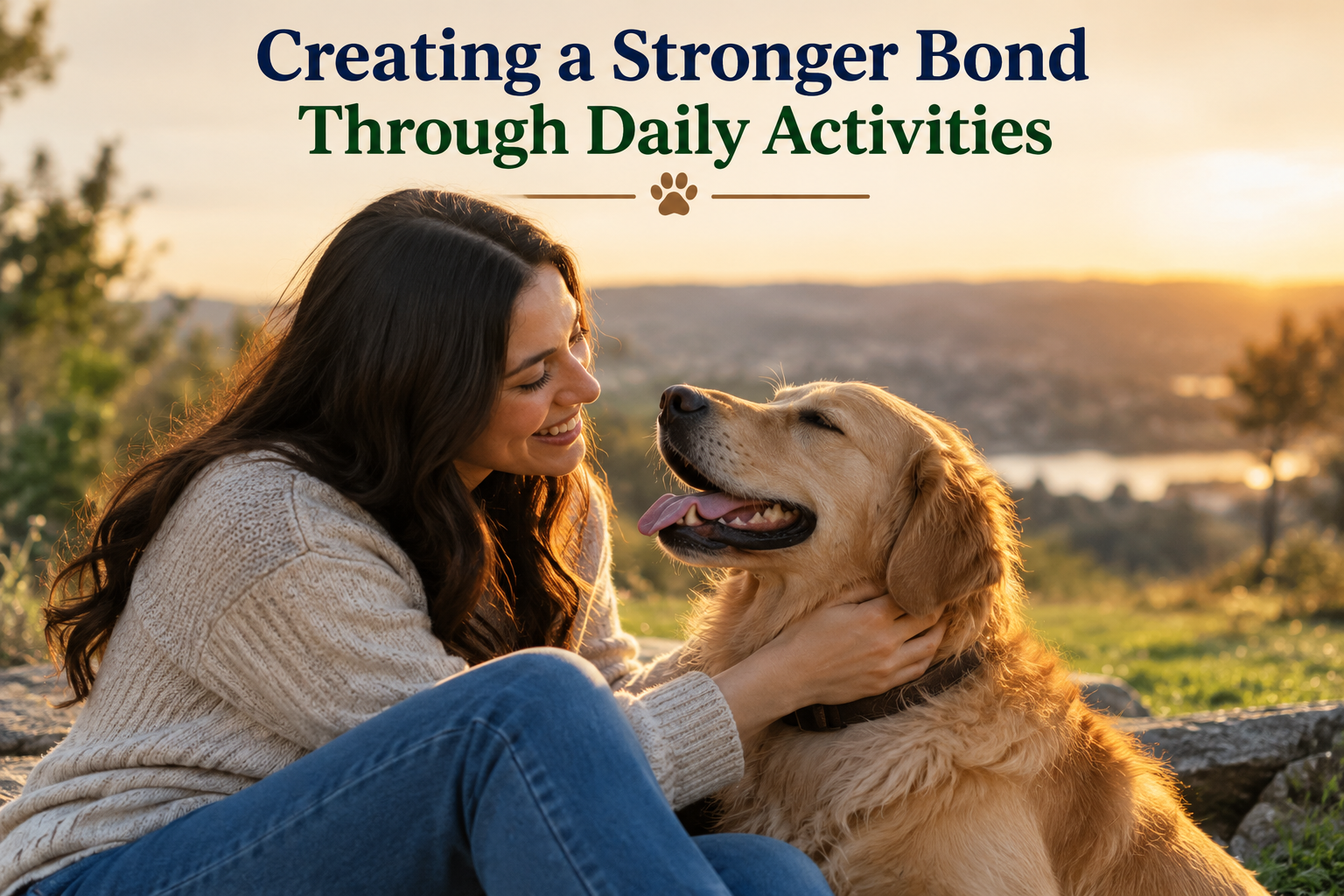
Building a strong relationship with your pet is not something that happens in a single day. It develops slowly through trust, attention, patience, and the small moments you share every day. Dogs, cats, and other companion animals pay close attention to our behavior. They notice our voices, routines, movements, and the way we respond to their needs. This is why daily activities can play such an important role in creating a stronger bond with your pet.
Many pet owners believe that affection alone is enough to create a close relationship. Love is certainly important, but pets also need consistency, communication, mental stimulation, and positive interaction. The simple things you do every day can help your pet feel safe and connected to you.
A stronger bond can also make everyday pet care easier. When your pet trusts you, grooming, training, feeding, traveling, and veterinary visits may become less stressful. More importantly, a close relationship allows you to understand your pet better and notice changes in behavior before they become serious problems.
Start the Day With Positive Attention
The first few minutes of the morning can set the tone for your pet’s day. Instead of immediately becoming busy with your own routine, spend a little time acknowledging your pet.
You may gently pet your dog, speak calmly to your cat, or simply sit beside your pet for a few moments. Some animals enjoy physical affection in the morning, while others prefer quiet companionship.
Pay attention to what your pet enjoys rather than forcing interaction. A cat may prefer a gentle scratch under the chin, while a dog may happily greet you with excitement.
These small morning interactions help your pet understand that they are an important part of your daily life.
Consistency is especially valuable. Pets often feel more secure when their days follow a predictable pattern.
Turn Feeding Time Into a Bonding Experience
Feeding is one of the most regular activities you share with your pet, which makes it an excellent opportunity to strengthen your relationship.
Instead of placing food in the bowl and immediately walking away, use feeding time as a calm interaction.
You can ask your dog to sit before receiving food or quietly speak to your cat while preparing the meal. These simple actions create positive associations between your presence and something your pet enjoys.
For pets that eat too quickly, puzzle feeders or slow feeding bowls can make meals more mentally stimulating. You can also occasionally hide small portions of food in safe places and allow your pet to search for them.
Food based activities can encourage natural behaviors while creating positive experiences with you.
Always provide meals that are appropriate for your pet’s age, size, activity level, and health needs.
Make Daily Walks More Meaningful
For dogs, walking is much more than physical exercise. It is an opportunity to explore the environment, experience new smells, and spend quality time with you.
Instead of treating every walk as something that must be completed quickly, allow your dog enough time to safely explore.
Dogs experience much of the world through their sense of smell. Allowing your dog to stop and sniff can provide valuable mental stimulation.
You can also use walks for gentle training. Practice simple commands such as sit, stay, come, or wait in safe environments. Reward calm behavior with praise or small treats.
Changing your walking route occasionally may also keep things interesting.
Most importantly, avoid spending the entire walk looking at your phone. Being mentally present helps you notice your dog’s body language and respond to the environment.
Walking together regularly can become one of the easiest ways of creating a stronger bond through daily activities.
Include Short Play Sessions
Play is one of the most natural ways for pets and humans to connect.
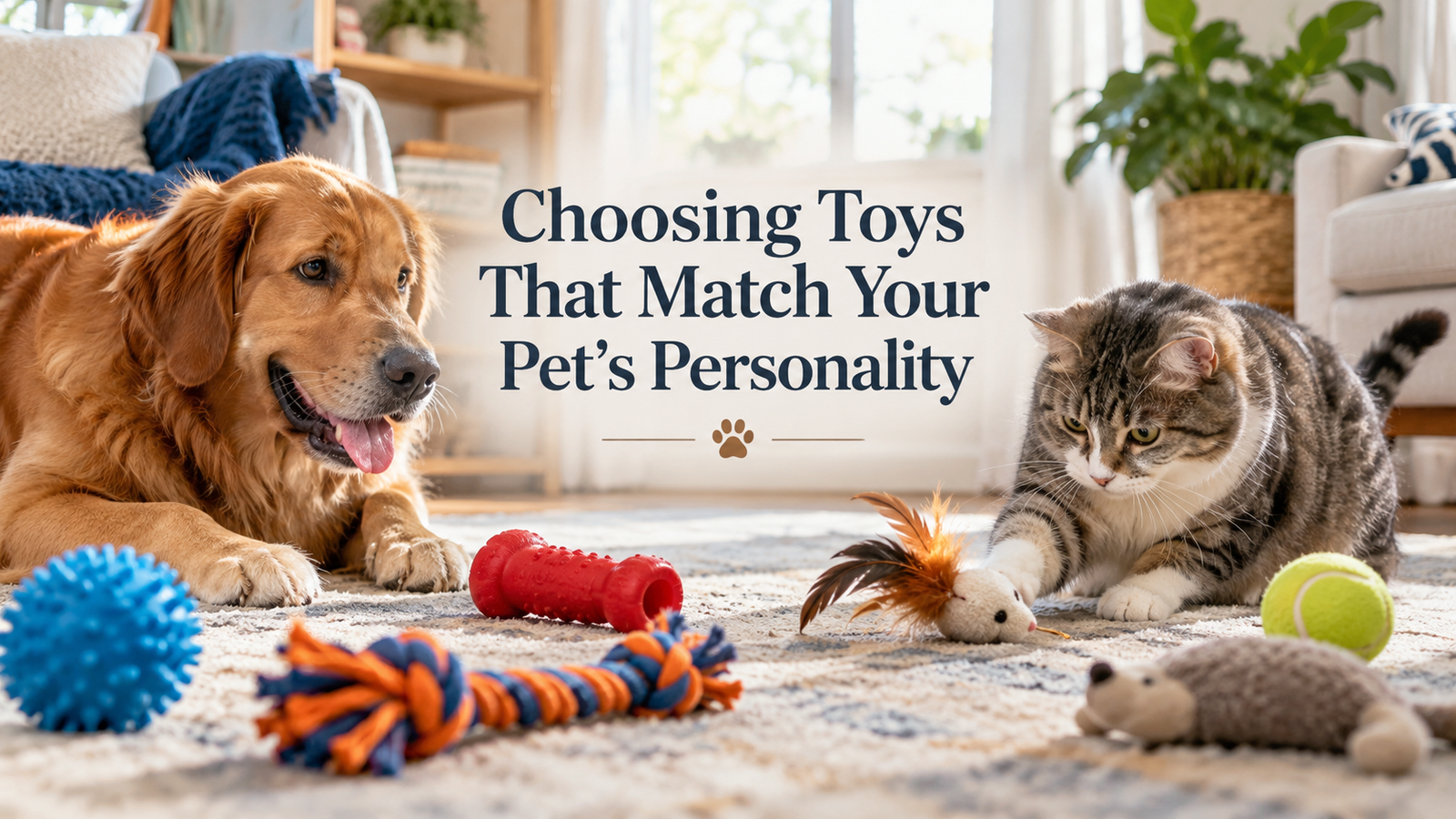
Dogs may enjoy fetching balls, playing with safe tug toys, or searching for hidden objects. Cats often prefer toys that imitate prey, such as wand toys or lightweight balls.
The goal is not to play for hours. Even a few short sessions during the day can be valuable.
Try to understand your pet’s preferred style of play. Some pets enjoy energetic games, while others prefer slower activities.
Allow your pet to succeed during play. Constantly preventing a cat from catching a toy, for example, may eventually cause frustration. Letting the cat capture the toy occasionally can make the activity more satisfying.
Regular play can improve physical health while helping your pet associate your presence with enjoyment and security.
Practice Simple Training Every Day
Training is not only about teaching obedience. When done correctly, it is a form of communication between you and your pet.
Short training sessions can strengthen trust because your pet learns what you expect and receives positive feedback for successful behavior.
Start with simple skills such as sit, come, stay, touch, or waiting calmly.
Keep sessions short and positive. Five minutes of focused training can sometimes be more effective than a long session.
Use rewards that your pet values. This might include treats, praise, toys, or affection.
Avoid shouting or frightening your pet after mistakes. Fear can damage trust and make learning more difficult.
Training should feel like a shared activity rather than a punishment.
Even cats can learn simple behaviors through patient reward based training. Many cats can learn to come when called, touch a target, enter a carrier, or sit in a particular place.
Learn Your Pet’s Body Language
One of the best ways to strengthen your bond is to understand how your pet communicates.
Animals cannot explain their feelings with words, but their bodies provide many clues.
A relaxed dog may have soft eyes, a comfortable posture, and loose body movements. A worried dog may turn away, lick the lips, lower the body, or repeatedly yawn.
Cats communicate through their ears, tails, eyes, posture, and vocal sounds. A relaxed cat may slowly blink at you or rest nearby. A nervous cat may flatten the ears, hide, or move the tail rapidly.
Learning these signals helps you respect your pet’s boundaries.
When your pet realizes that you notice and respond to their feelings, trust can grow.
Never assume that every pet wants constant touching. Sometimes the best way to strengthen a relationship is to give your pet space.
Spend Quiet Time Together
Bonding does not always require active play or training.
Quiet companionship can be just as meaningful.
Your pet may enjoy resting beside you while you read, watch television, work, or relax. Some dogs simply want to lie near their owners. Many cats enjoy sharing the same room even when they are not sitting directly beside a person.
Allow these peaceful moments to happen naturally.
If your pet approaches you for affection, respond gently when possible. If your pet chooses to rest alone, respect that choice as well.
Over time, simply being comfortable in each other’s presence can become a sign of a strong and secure relationship.

Make Grooming a Positive Routine
Regular grooming offers another opportunity to build trust.
Brushing, checking the coat, cleaning appropriate areas, and examining the paws can help you become familiar with your pet’s normal condition.
However, grooming should be introduced slowly.
If your pet dislikes brushing, begin with very short sessions. Allow the pet to smell the brush and reward calm behavior.
Gradually increase the amount of grooming as your pet becomes more comfortable.
Never force an animal to remain still through extreme fear or stress. This can make future grooming much more difficult.
Gentle grooming sessions can eventually become relaxing experiences that strengthen the bond between you and your pet.
Create Small Mental Challenges
Animals need mental stimulation as well as physical activity.
Boredom can sometimes contribute to unwanted behaviors such as excessive barking, chewing, scratching, or restlessness.
Simple mental challenges can make everyday life more interesting.
You might hide treats around a safe room, introduce puzzle toys, practice scent games, rotate familiar toys, or teach a new behavior.
You do not need expensive equipment. A simple cardboard box can become an interesting exploration activity for some cats. A dog may enjoy searching for treats hidden inside safe containers.
Always supervise activities when there is any possibility that your pet could chew or swallow something unsafe.
Participating in these activities together makes mental enrichment even more valuable for your relationship.
Respect Individual Personality
Just like people, pets have different personalities.
One dog may enjoy meeting everyone in the neighborhood, while another may prefer quiet walks.
One cat may happily sleep on your lap, while another may show affection by simply sitting nearby.
Do not compare your relationship with someone else’s pet.
A strong bond does not always look dramatic. Sometimes trust appears in very subtle ways.
Your pet may follow you from room to room, sleep peacefully near you, look toward you when uncertain, or come to you when seeking comfort.
Respecting individual personality allows the relationship to develop naturally.
Keep Your Reactions Consistent
Consistency is one of the most important parts of building trust.
If a certain behavior is allowed today but punished tomorrow, your pet may become confused.
Family members should try to follow similar rules whenever possible.
For example, if your dog is not allowed to jump on guests, everyone in the home should respond consistently.
Clear expectations can help pets feel secure because they understand how their environment works.
Your emotional reactions matter as well.
Try to remain calm when your pet makes a mistake. Accidents, damaged objects, or training problems can be frustrating, but angry reactions rarely teach an animal what should be done instead.
Guide your pet toward the correct behavior and reward improvement.
Include Your Pet in Everyday Life
You do not need to create a special event every day to strengthen your bond.
Sometimes simply including your pet in normal household activities is enough.
Your dog may sit nearby while you work in the garden. Your cat may watch while you organize a room. A pet may relax beside you during a quiet evening at home.
These ordinary moments help your pet feel included.
When appropriate, you can also take your dog on safe outings or allow your pet to observe household activities from a comfortable place.
The goal is not constant attention. It is creating a life where your pet feels secure, involved, and valued.
Protect Their Health and Comfort
Trust also develops when pets learn that their owners consistently meet their needs.
Provide fresh water, balanced nutrition, appropriate exercise, a clean living environment, comfortable sleeping areas, and regular veterinary care.
Pay attention to changes in appetite, energy, mobility, grooming habits, bathroom habits, or behavior.
Small changes can sometimes be early signs that something is wrong.
Caring for your pet’s physical comfort communicates security in a way animals can understand.
A pet that feels safe and healthy is more likely to interact confidently with family members.
Give Your Pet Your Full Attention
Modern life includes many distractions.
Phones, computers, television, work, and social media can take much of our attention without us realizing it.
Try to give your pet several moments of complete attention each day.
Put the phone down during play. Watch your dog during walks. Notice your cat’s expressions during interaction.
Quality often matters more than quantity.
Ten minutes of focused play may provide a more meaningful experience than an hour spent in the same room while completely distracted.
Pets notice when we respond to them.
Be Patient With the Bonding Process
Some pets form relationships quickly, while others need much more time.
A newly adopted animal may need days, weeks, or even months before feeling completely secure.
Past experiences, age, personality, environment, and health can all influence the bonding process.
Avoid rushing your pet.
Provide predictable routines, positive experiences, safe spaces, and gentle interaction.
Trust cannot be forced. It develops when your pet repeatedly discovers that being around you is safe.
Progress may appear slowly. A nervous cat coming slightly closer than yesterday or a shy dog choosing to rest beside you can represent an important step.
Celebrate these small improvements.
Final Thoughts
Creating a stronger bond through daily activities does not require complicated techniques. The most powerful moments often come from ordinary routines such as feeding, walking, playing, grooming, training, and simply relaxing together.
What matters most is how those activities are handled.
When you remain patient, consistent, attentive, and respectful, your pet gradually learns that you are someone they can trust. Daily interaction also teaches you more about your pet’s unique personality, preferences, and communication style.
Strong relationships are built through hundreds of small positive experiences rather than occasional grand gestures.
Give your pet time, attention, appropriate care, and opportunities to interact with you every day. Those simple habits can create a relationship that becomes deeper and more rewarding over the years.
A strong bond benefits both sides. Your pet receives security, companionship, and understanding, while you gain the trust and affection of an animal that truly feels comfortable sharing life with you.