
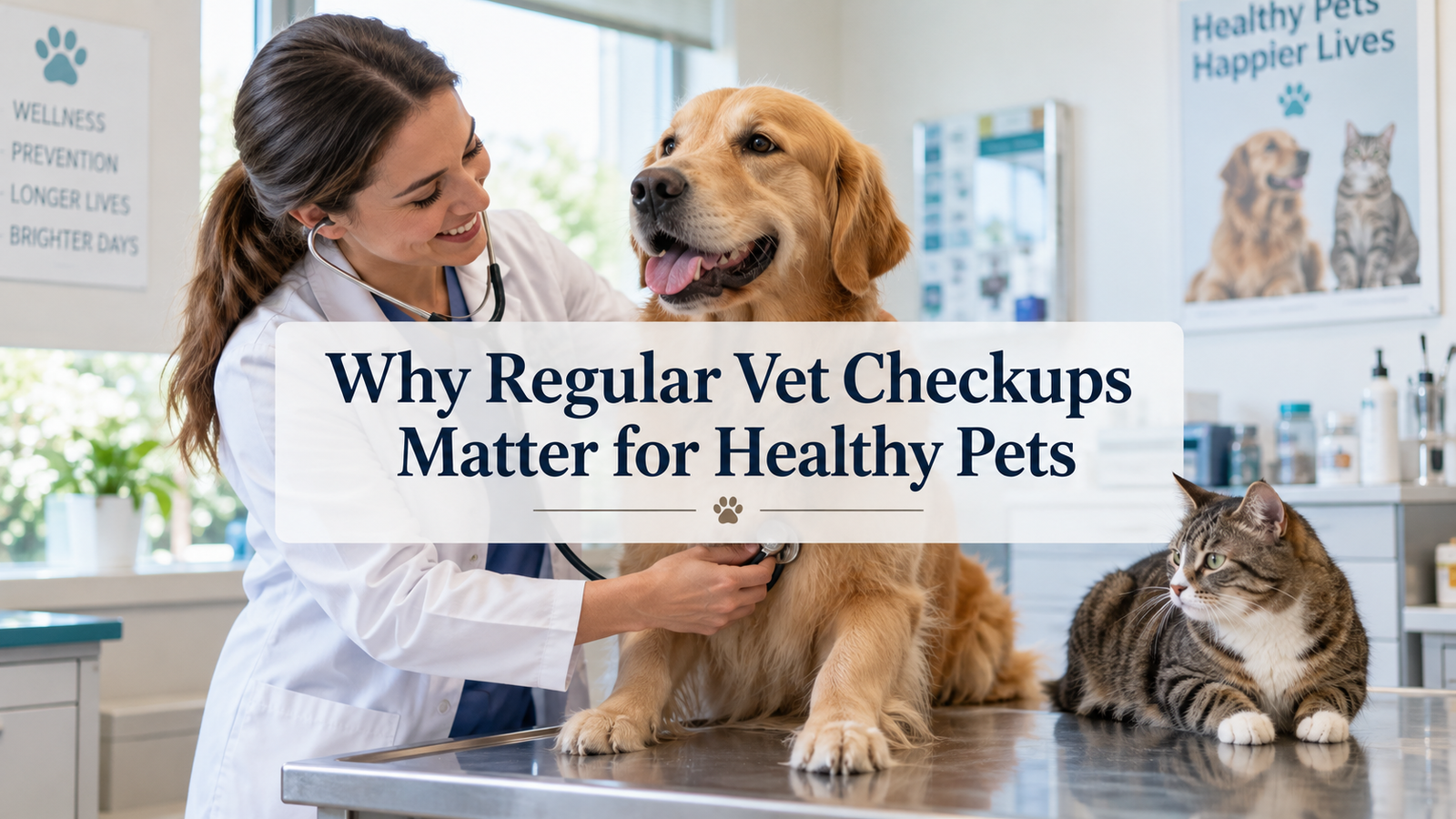
Keeping a pet healthy involves much more than providing good food, clean water, exercise, and a comfortable place to sleep. These things are certainly important, but regular veterinary care is another essential part of responsible pet ownership. Many health problems in dogs, cats, and other companion animals can begin quietly. A pet may continue eating, playing, and behaving normally even while a health issue is developing inside the body. This is why regular vet checkups matter for healthy pets.
A veterinary checkup gives a veterinarian an opportunity to examine your pet from head to tail, identify early signs of illness, monitor changes in weight and behavior, and provide advice based on the pet’s age and lifestyle. Regular visits can also help owners understand what is normal for their pets and what may require attention.
Preventive care is usually easier than dealing with a serious illness after it has developed. By making routine veterinary visits part of your pet care plan, you can support your pet’s comfort, health, and quality of life for many years.
Regular Vet Checkups Help Detect Problems Early
One of the biggest benefits of regular vet checkups is early detection. Pets cannot explain when something feels unusual. They may also hide discomfort because of natural instincts. Cats are especially good at hiding signs of illness, but dogs can also appear normal during the early stages of many health problems.
During a routine examination, a veterinarian may notice changes that are difficult for an owner to detect at home. These can include small changes in body weight, unusual heart sounds, skin problems, dental disease, joint discomfort, lumps, eye changes, or abnormal breathing.
Finding a problem early does not always mean that something serious is wrong. However, early detection gives the veterinarian more time to investigate the cause and recommend appropriate care.
For example, gradual weight loss may not be obvious when you see your pet every day. During regular veterinary visits, the pet’s weight can be compared with previous records. A noticeable change may encourage further evaluation before other symptoms appear.
Routine Physical Exams Provide Valuable Health Information
A veterinary checkup usually includes a complete physical examination. The veterinarian looks at many areas of the body to understand the pet’s overall condition.
The eyes may be examined for redness, cloudiness, discharge, or other changes. The ears can be checked for irritation, infection, wax buildup, or parasites. The veterinarian may look inside the mouth to examine the teeth and gums.
The skin and coat are also important indicators of health. Dry skin, hair loss, unusual lumps, itching, or changes in coat quality may provide useful clues about nutrition, parasites, allergies, or other concerns.
The veterinarian also listens to the heart and lungs. The abdomen may be gently examined to check for pain or unusual changes. Legs and joints may also be assessed, especially in older pets or animals that have shown changes in movement.
Each part of the examination provides information that contributes to a clearer picture of the pet’s health.
Regular Vet Visits Support Dental Health
Dental health is easy to overlook because much of the problem develops inside the mouth. Many owners notice dental disease only when their pet develops strong breath odor, difficulty eating, visible tartar, or swollen gums.
Regular vet checkups allow dental problems to be identified earlier.
A veterinarian can examine the teeth and gums and explain whether additional dental care may be needed. Owners can also receive advice about brushing their pet’s teeth and choosing suitable dental care products.
Healthy teeth and gums are important for comfortable eating. Dental pain may cause a pet to chew differently, avoid certain foods, or become less interested in eating.
Routine dental evaluation is therefore an important part of preventive pet care.
Vaccination Needs Can Be Reviewed
Vaccinations are commonly discussed during veterinary checkups. Vaccination needs may vary depending on the pet’s age, health, lifestyle, environment, and local disease risks.
Young animals often require a series of vaccinations as their immune systems develop. Adult pets may need vaccinations at different intervals depending on veterinary recommendations.
Regular visits make it easier to keep an accurate vaccination schedule.
The veterinarian can review your pet’s vaccination history and explain which vaccines may be appropriate. This allows owners to make informed decisions based on their pet’s individual needs rather than relying on a general schedule without professional guidance.
Parasite Prevention Can Be Discussed
Parasites can affect both indoor and outdoor pets. Fleas, ticks, intestinal worms, and other parasites can cause discomfort and may sometimes lead to more serious health concerns.
During regular vet checkups, owners can discuss parasite prevention based on the pet’s lifestyle.
A dog that regularly walks through grassy outdoor areas may face different risks from a cat that spends most of its time indoors. However, indoor pets can still encounter certain parasites.
A veterinarian can recommend an appropriate prevention plan and explain how frequently treatment may be required.
Regular veterinary guidance can also help owners avoid unnecessary or unsuitable products.
Vet Checkups Help Monitor a Pet’s Weight
Maintaining a healthy body weight plays an important role in overall pet wellness. Extra body weight can place additional pressure on joints and may affect a pet’s mobility and daily comfort.
On the other hand, unexplained weight loss can sometimes be an early sign that something is changing in the body.
Routine veterinary visits create a record of your pet’s weight over time. This makes gradual changes easier to recognize.
Veterinarians can also assess body condition rather than focusing only on the number shown on the scale. Two animals of similar weight may have very different body conditions depending on breed, size, muscle mass, and body structure.
If weight management is needed, the veterinarian can help owners understand appropriate food portions, feeding routines, exercise, and realistic goals.
Nutrition Advice Can Be Based on Your Pet’s Needs
Walk into any pet food store and you will find a huge variety of products. Choosing the right diet can feel confusing.
Regular vet checkups give owners an opportunity to discuss nutrition with someone who understands the pet’s health history.
A growing puppy or kitten has different nutritional needs from an adult animal. Older pets may also benefit from adjustments depending on their activity level, body condition, and general health.
The veterinarian can help owners understand how much food to provide and whether dietary changes may be appropriate.
Good nutrition is not simply about choosing an expensive food. It is about providing suitable nutrition in suitable amounts for the individual animal.
Behavioral Changes Can Be Discussed
Changes in behavior are sometimes treated as training problems when they may actually be connected to discomfort or health changes.
For example, a previously friendly pet may become less tolerant of being touched. An older dog may hesitate before climbing stairs. A cat may suddenly stop using the litter box normally.
These changes can have many causes.
A veterinary checkup helps rule out physical problems that could be contributing to the behavior.
Owners should mention changes in sleeping habits, appetite, thirst, activity, bathroom routines, social behavior, and movement. Even details that seem minor may provide valuable information.
The veterinarian can then decide whether additional evaluation is necessary.
Older Pets Benefit Greatly From Routine Veterinary Care
As pets age, regular health monitoring becomes increasingly important.
Older animals may experience changes in mobility, hearing, vision, dental health, digestion, and energy. Some changes are simply part of aging, while others may indicate a health problem that deserves attention.
Senior pet checkups allow veterinarians to monitor these changes over time.
Depending on the pet’s age and condition, the veterinarian may recommend blood tests, urine tests, or other health screening procedures.
These tests can sometimes identify changes before obvious symptoms develop.
Regular care also gives owners an opportunity to discuss ways to keep older pets comfortable at home. Small changes such as easier access to food, softer sleeping areas, gentle exercise, and improved floor grip can make everyday life easier for aging animals.
Young Pets Also Need Regular Checkups
Routine veterinary care is just as important for puppies and kittens.
Young animals grow quickly, and the first months of life include many physical and behavioral changes. Veterinary visits allow growth, nutrition, vaccination, parasite prevention, and development to be monitored.
New pet owners can also ask questions about feeding, toilet training, socialization, grooming, exercise, and safe home routines.
This guidance can prevent common mistakes and help owners build healthy habits from the beginning.
Starting routine veterinary care early also helps the pet become familiar with visiting the clinic. Calm and positive experiences during youth may make future visits easier.
Regular Visits Build a Useful Medical History
A detailed medical history becomes more valuable as a pet gets older.
When a veterinarian sees a pet regularly, there is a record of previous weight, physical findings, vaccinations, illnesses, medications, and laboratory results.
This information provides a useful baseline.
If the pet later develops a health problem, the veterinarian can compare current findings with previous records. Changes may be easier to identify when there is a clear history available.
Consistency can therefore improve the overall quality of veterinary care throughout a pet’s life.
Vet Checkups Give Owners a Chance to Ask Questions
Pet owners often have questions that do not require an emergency appointment but are still important.
You may wonder whether your pet is drinking too much water, sleeping more than usual, eating the right amount of food, scratching too frequently, or exercising enough.
A routine veterinary visit is a good opportunity to discuss these concerns.
It can be helpful to write down questions before the appointment so nothing is forgotten.
You can also mention any recent changes you have noticed at home. Providing clear information about your pet’s habits helps the veterinarian understand the situation more accurately.
How Often Should Healthy Pets Visit the Vet?
The right schedule depends on the individual pet.
Many healthy adult pets benefit from a veterinary wellness examination at least once a year. Puppies, kittens, senior pets, and animals with ongoing health needs may require more frequent visits.
Age is not the only factor. Breed, lifestyle, medical history, diet, environment, and previous health concerns can all influence how often a pet should be examined.
Your veterinarian can recommend an appropriate schedule based on your pet’s needs.
Owners should also avoid waiting for the next routine appointment if concerning symptoms develop. Sudden breathing difficulty, repeated vomiting, serious injury, extreme weakness, inability to urinate, seizures, or other significant changes may require prompt veterinary attention.
Preparing for a Regular Vet Checkup
A little preparation can make a veterinary visit more useful.
Pay attention to your pet’s appetite, water intake, bathroom habits, activity, sleep, and behavior before the appointment. If you have noticed something unusual, remember when it began and whether it has improved or become worse.
Bring information about medications, supplements, and foods your pet currently receives.
For cats and small animals, use a secure carrier during travel. Dogs should usually be properly controlled with suitable walking equipment.
Keeping the experience calm and organized can reduce unnecessary stress for both the pet and the owner.
Preventive Care Supports Long Term Pet Wellness
Regular vet checkups are not only for sick animals. They are an important part of keeping healthy pets healthy.
Routine examinations create opportunities to detect subtle changes, discuss nutrition, monitor weight, review dental health, manage parasites, maintain suitable vaccination plans, and address questions before small concerns become larger ones.
No owner can see everything happening inside a pet’s body simply by observing the animal at home. Veterinary care adds professional examination and medical knowledge to the daily care provided by the owner.
The goal is not to search constantly for disease. The goal is to understand your pet’s normal health and notice meaningful changes as early as possible.
Final Thoughts
Understanding why regular vet checkups matter for healthy pets can help owners take a more preventive approach to pet care. A pet that looks healthy may still benefit greatly from routine professional examination.
Regular veterinary visits provide a valuable picture of your pet’s health over time. They help monitor weight, teeth, skin, joints, heart, lungs, nutrition, behavior, vaccination needs, and many other areas of wellness.
Most importantly, routine checkups create a partnership between the pet owner and veterinarian. Owners provide daily observation and care, while veterinarians provide professional medical evaluation and guidance.
Combined with balanced nutrition, appropriate exercise, grooming, mental stimulation, affection, and a safe home environment, regular veterinary care can play an important role in helping pets enjoy healthier and more comfortable lives.