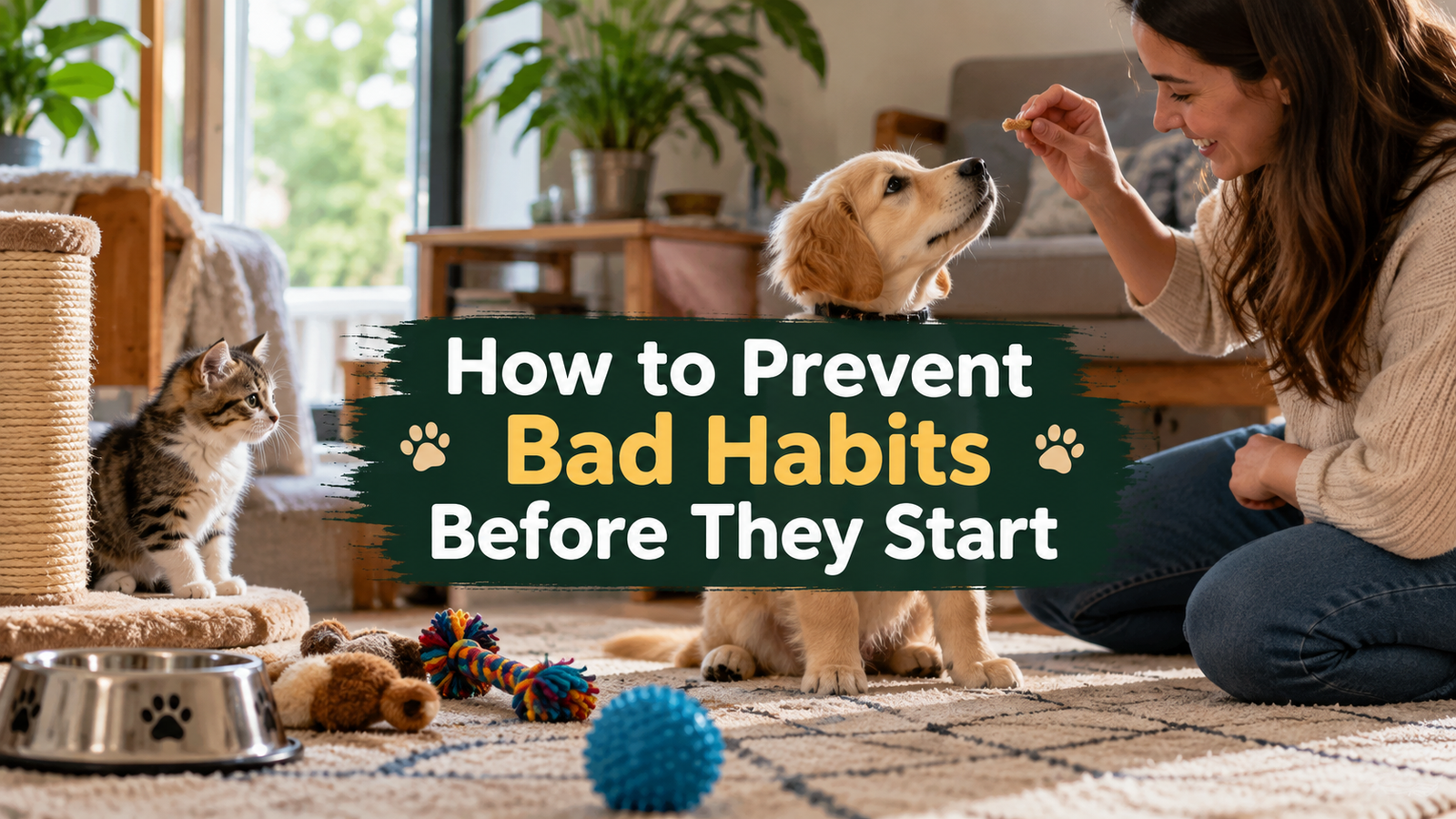
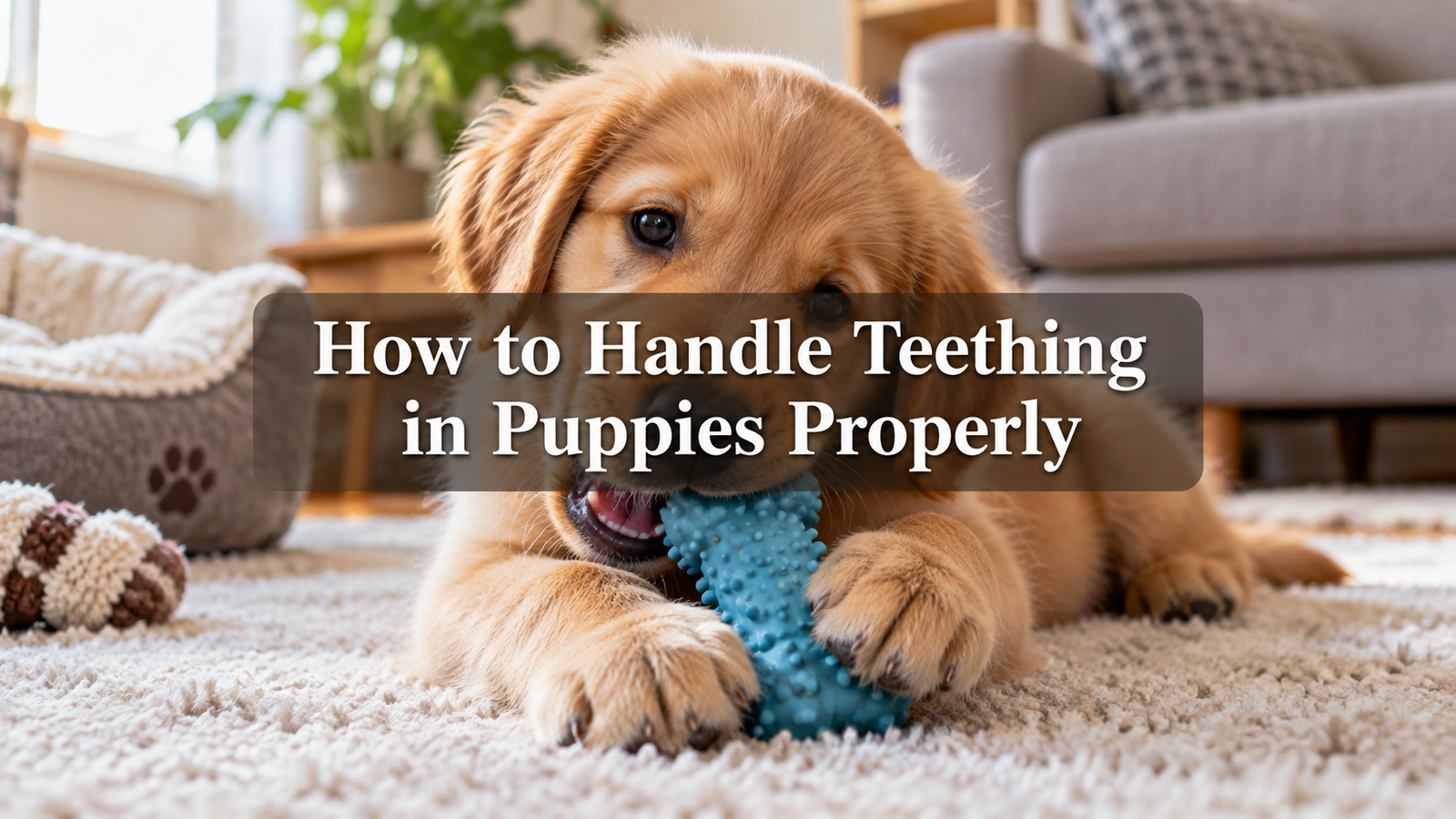
Bringing a puppy home is exciting, but it also comes with a few challenges that every new dog owner needs to understand. One of the most common stages puppies go through is teething. During this period, puppies may chew furniture, bite hands, destroy shoes, or become more restless than usual. These behaviors are normal, but they can become difficult to manage if you do not know what your puppy is experiencing.
Learning how to handle teething in puppies properly can make this stage much easier for both you and your pet. With patience, safe chew toys, proper training, and regular care, you can protect your home while helping your puppy feel more comfortable.
What Is Puppy Teething?
Puppy teething is the natural process in which baby teeth fall out and permanent adult teeth begin to grow. Puppies are born without visible teeth, but their baby teeth start appearing when they are a few weeks old.
As puppies grow, these small teeth are gradually replaced with adult teeth. This process can cause gum tenderness, discomfort, and a strong desire to chew.
Most puppies begin losing their baby teeth when they are around three to four months old. Adult teeth usually continue growing until the puppy is about six to seven months old. Every puppy develops differently, so the exact timing may vary.
During this period, chewing becomes especially important because it helps puppies relieve pressure in their gums.
Common Signs of Teething in Puppies
Teething can affect puppies in different ways. Some puppies may show only mild signs, while others may become very active chewers.
One of the most obvious signs is increased chewing. Your puppy may suddenly become interested in chewing table legs, shoes, carpets, cushions, cables, or anything else within reach.
You may also notice your puppy biting your fingers or clothing more often.
Other common signs include swollen gums, mild gum redness, drooling, and small spots of blood on chew toys.
You may occasionally find a tiny puppy tooth on the floor. However, many puppies swallow their baby teeth while eating or chewing, which is usually not a problem.
Some puppies may also eat more slowly because their gums feel sensitive.
Why Puppies Chew So Much During Teething
Chewing provides pressure on the gums, which can temporarily reduce discomfort. For a teething puppy, chewing is not simply bad behavior. It is a natural way of dealing with the changes happening inside the mouth.
Puppies also explore the world using their mouths. Just like young children touch objects with their hands, puppies often investigate things by licking, biting, or chewing them.
This means chewing is influenced by both curiosity and physical discomfort.
Instead of trying to completely stop your puppy from chewing, the goal should be to teach your puppy what is safe to chew.
Provide Safe Chew Toys
One of the best ways to manage puppy teething is to provide several safe chew toys.
Choose toys designed specifically for puppies. Puppy toys are usually softer than toys made for adult dogs because young teeth and gums are still developing.
Rubber toys can be especially helpful because they allow puppies to chew without damaging their teeth.
You can also try textured chew toys that gently massage the gums.
Always choose toys that are appropriate for your puppy’s size. Toys that are too small may create a choking risk, while extremely hard toys may damage developing teeth.
Inspect toys regularly. If a toy becomes broken or pieces begin coming loose, replace it.
Use Cold Items to Soothe Sore Gums
Cool temperatures can help reduce gum discomfort.
You can place certain puppy safe chew toys in the refrigerator before giving them to your puppy. The cool surface can provide relief while your puppy chews.
A clean, damp washcloth can also be chilled and offered under supervision. Some puppies enjoy chewing the cool fabric because it feels gentle on their gums.
Avoid giving extremely hard frozen objects because they may damage teeth.
Cold items should provide gentle cooling rather than hard pressure.
Redirect Unwanted Chewing
When your puppy starts chewing furniture or another inappropriate object, avoid shouting or becoming angry.
Instead, calmly interrupt the behavior and offer a suitable chew toy.
The moment your puppy starts chewing the toy, praise them.
This teaches the puppy that certain objects are acceptable for chewing while others are not.
Consistency is very important.
If chewing furniture is allowed sometimes but discouraged at other times, your puppy may become confused.
Everyone in the home should follow the same rules.
Puppy Proof Your Home
Preventing access to tempting objects can make teething much easier to manage.
Keep shoes, socks, bags, children’s toys, books, remote controls, and other personal items away from your puppy.
Electrical cords should also be secured because chewing wires can be extremely dangerous.
Block access to rooms where supervision is difficult.
You can use puppy gates to create safe areas where your puppy has access to toys, water, bedding, and other appropriate items.
Puppy proofing does not replace training, but it greatly reduces the chances of accidents.
Avoid Encouraging Hand Biting
Many puppy owners allow gentle hand biting because it seems playful at first. However, this habit can become uncomfortable as the puppy grows stronger.
If your puppy begins biting your hands, calmly stop the interaction and offer a toy instead.
This teaches your puppy that toys are for chewing, while human hands are not.
You can also pause play briefly when biting becomes too rough.
Over time, your puppy begins to understand that gentle behavior keeps play going, while hard biting ends the fun.
This is an important part of teaching bite control.

Give Your Puppy Enough Exercise
A bored puppy often chews more.
Physical activity and mental stimulation can reduce destructive chewing because they help your puppy use energy in healthy ways.
Take your puppy for suitable walks based on age and vaccination status.
Play simple games indoors or in a secure area.
Short training sessions are also excellent for mental exercise. Teaching commands such as sit, stay, come, and leave it can keep your puppy focused and strengthen communication between you.
A mentally satisfied puppy is usually less likely to search for furniture or household objects to chew.
Rotate Chew Toys Regularly
Puppies may lose interest in toys if the same ones remain available all the time.
Instead of giving your puppy every toy at once, keep a few available and rotate them every few days.
A toy that has been stored for several days may feel interesting again when it returns.
This simple method can keep your puppy curious without constantly buying new toys.
You can also use different textures such as soft rubber, flexible materials, or puppy friendly rope toys.
Variety keeps chewing interesting.
Supervise Your Puppy
Supervision is one of the most important parts of managing teething behavior.
When your puppy is free inside the home, pay attention to what they are doing.
Young puppies can move from chewing a toy to chewing furniture within seconds.
When you cannot supervise closely, place the puppy in a safe area with appropriate toys.
A puppy playpen can be useful for short periods.
Crate training can also help when introduced properly, but the crate should always feel like a comfortable resting space rather than punishment.
Feed a Healthy Diet
Proper nutrition supports healthy teeth, gums, bones, and overall development.
Feed your puppy a complete diet designed for growth. Puppy food contains nutrients needed during early development.
Fresh water should always be available.
If your puppy seems uncomfortable while eating dry food, speak with your veterinarian before changing the diet. In some cases, slightly softening the food with water may make eating more comfortable.
Avoid changing foods too frequently because sudden diet changes may cause digestive problems.
What Not to Give a Teething Puppy
Not every object that seems chewable is safe.
Avoid giving puppies objects that are extremely hard. Very hard items may fracture developing teeth.
Small objects should also be avoided because they can be swallowed.
Household items such as plastic containers, old shoes, or random pieces of wood are not good chew toys.
Giving an old shoe may also confuse your puppy. Your puppy cannot easily understand why one shoe is allowed while another is not.
It is better to provide clearly different toys designed for dogs.
Be Careful With Treats and Chews
Edible chews can sometimes help puppies, but they should be selected carefully.
Choose products suitable for your puppy’s age and size.
Always supervise your puppy while using edible chews.
Some products can break into large pieces that may become choking hazards.
If you are unsure which chews are suitable, ask your veterinarian for guidance.
Remember that treats should only make up a small portion of your puppy’s daily food intake.
Keep Training Positive
Puppies learn best through positive experiences.
Punishing a puppy for chewing may create fear without teaching the correct behavior.
Instead, redirect your puppy toward the right object and reward good choices.
Praise can be simple. A calm, happy voice can tell your puppy that they are doing the right thing.
Over time, your puppy will begin choosing approved chew toys without constant reminders.
Training takes patience, especially during teething.
When to Contact a Veterinarian
Most puppy teething problems are normal, but certain symptoms may require professional attention.
Contact your veterinarian if your puppy has heavy bleeding from the mouth, severe gum swelling, a bad smell from the mouth, difficulty eating, or signs of strong pain.
You should also ask for veterinary advice if a baby tooth remains in place while an adult tooth grows beside it.
Retained baby teeth may sometimes cause dental problems and may need professional treatment.
Regular veterinary examinations can help make sure your puppy’s teeth are developing normally.
How Long Does Puppy Teething Last?
The most noticeable stage usually occurs between about three and seven months of age.
Once most adult teeth are fully developed, chewing caused by gum discomfort often decreases.
However, this does not mean chewing stops completely.
Dogs naturally enjoy chewing throughout life. The difference is that older dogs usually chew because they enjoy the activity rather than because their teeth are growing.
Continuing to provide safe chew toys after teething can protect furniture and support healthy behavior.
Create a Daily Teething Routine
A simple routine can help your puppy manage the teething stage more comfortably.
Start the day with exercise or play.
After activity, offer a chew toy during quiet time.
Keep several safe toys available throughout the day and redirect unwanted chewing whenever necessary.
Include short training sessions to keep your puppy mentally active.
Before bedtime, give your puppy a calm environment and a suitable toy.
Regular routines help puppies understand what to expect and can reduce restless behavior.
Final Thoughts
Learning how to handle teething in puppies properly is an important part of raising a healthy and well behaved dog. Teething can be uncomfortable for puppies, but chewing, biting, and increased curiosity are normal parts of development.
The most effective approach is to provide safe chew toys, protect household items, supervise your puppy, use gentle training, and remain consistent.
Try to remember that your puppy is not chewing furniture to upset you. The puppy is responding to natural discomfort while also exploring the world.
With patience and proper guidance, this stage will pass.
By creating good chewing habits during puppyhood, you are also helping your dog develop better behavior for the future. A puppy that learns what is safe to chew is more likely to become an adult dog that respects household boundaries.
The teething stage may sometimes feel challenging, but it is also temporary. With the right care, attention, and training, you can protect your home, keep your puppy comfortable, and build a stronger relationship with your growing dog.