
Living with a cat can be relaxing and enjoyable, but nighttime activity can quickly become frustrating when your cat starts running around the house, jumping on furniture, scratching doors, or waking you for attention. Many cat owners experience this problem, especially with young, energetic cats. The good news is that nighttime activity in cats can usually be reduced with a better daily routine, more meaningful play, proper feeding habits, and a comfortable sleeping environment.
Cats do not stay awake at night simply to disturb their owners. Their natural behavior, energy levels, feeding schedule, and home environment all influence when they become active. Understanding these factors is the first step toward helping your cat sleep more peacefully when the rest of the household is resting.
Why Are Cats Active at Night?
Cats are naturally most active around dawn and dusk. Their ancestors depended on these hours for hunting because many small prey animals were also active during these periods. Even though domestic cats no longer need to hunt for survival, some of these natural instincts remain.
A house cat may spend much of the daytime sleeping because the home is quiet and there is little activity. By evening, the cat may have stored enough energy to become playful just when everyone else wants to sleep.
Young cats are particularly likely to show nighttime activity because they have higher energy levels. Indoor cats can also become restless at night when they do not receive enough physical exercise or mental stimulation during the day.
Before trying to change the behavior, remember that the goal is not to stop your cat from being active. The aim is to move most of that activity into daytime and evening hours.
Increase Daytime Activity
One of the most effective ways to reduce nighttime activity in cats is to make their days more interesting.
A cat that spends most of the day sleeping may naturally have plenty of energy left at night. Try encouraging your cat to move, explore, play, and interact during daylight hours.
Simple activities can make a noticeable difference. Move toys around the house, encourage your cat to follow you between rooms, or create opportunities for climbing and exploring.
If you work away from home, leave safe toys available while you are gone. Rotating toys every few days can help maintain your cat’s interest. A toy that has been stored away for several days may feel exciting again when it returns.
Window areas can also provide useful stimulation. Cats often enjoy watching birds, people, insects, cars, and outdoor movement. A comfortable resting place near a secure window can make daytime hours much more interesting.
Schedule Play Before Bedtime
Evening play is one of the best ways to manage a cat that becomes energetic at night.
Instead of waiting until your cat starts racing around the house after bedtime, create a planned play session earlier in the evening.
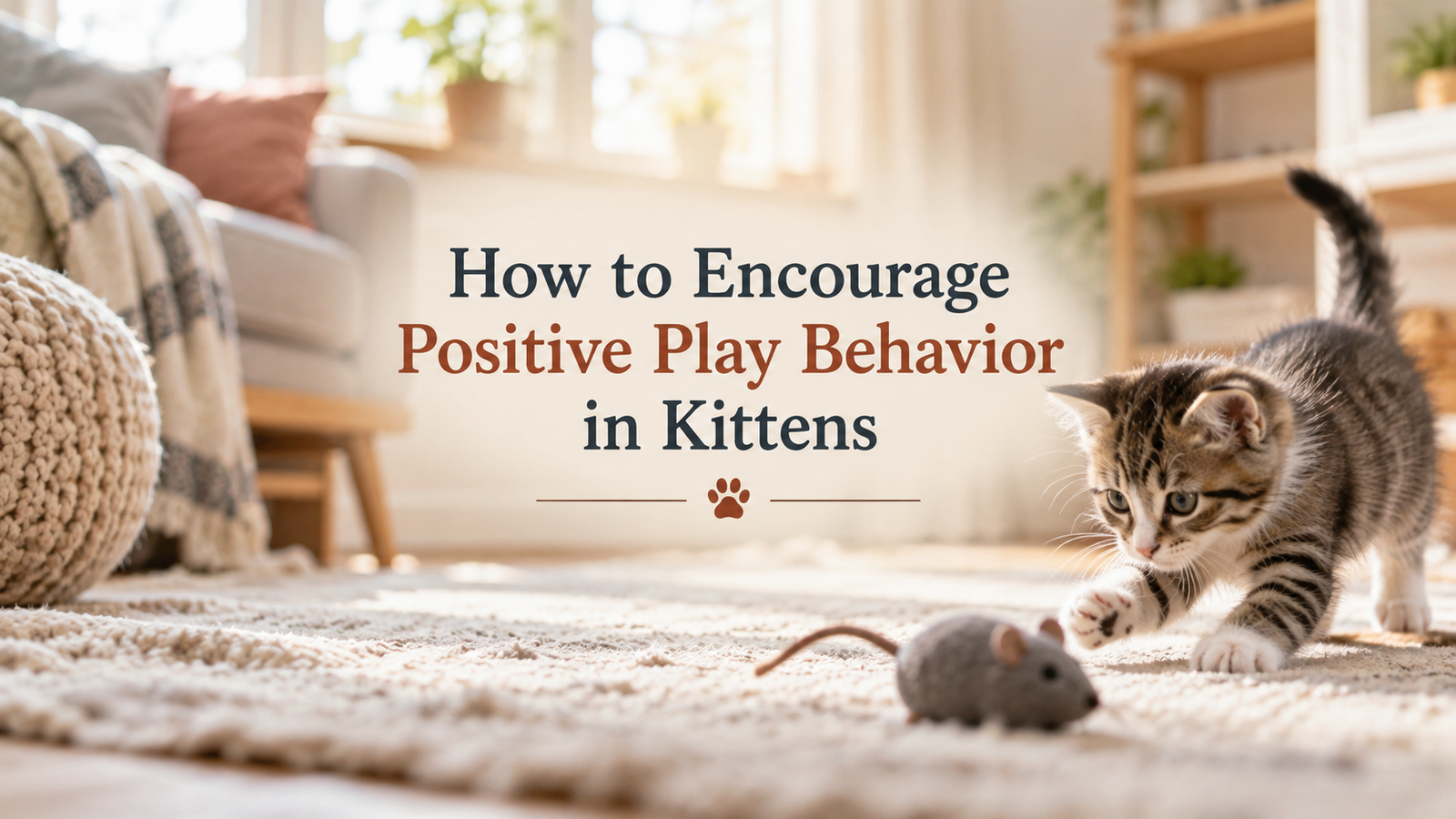
Interactive toys are usually more effective than toys that simply remain on the floor. Wand toys, soft balls, toy mice, and other moving objects can encourage chasing, jumping, stalking, and pouncing.
Try to make the play session energetic enough to use some of your cat’s physical energy. Allow your cat to chase the toy and occasionally catch it. Constantly preventing the cat from catching the toy can become frustrating.
The length of the session depends on your cat’s age and energy level. Some cats may be satisfied after ten or fifteen minutes, while younger cats may need several shorter sessions throughout the evening.
Regular play is usually more effective than one extremely long session.
Create a Consistent Evening Routine
Cats often respond well to predictable routines.
If feeding, playing, and sleeping happen at completely different times every day, your cat may have difficulty understanding when activity should stop.
Create a simple evening pattern that you can follow most days.
For example, spend some time playing with your cat in the evening, allow the cat to relax afterward, provide the final meal, and then gradually reduce household activity.
When the same pattern is repeated regularly, your cat may begin associating these activities with the end of the day.
Consistency is important. A routine practiced once or twice is unlikely to change established nighttime behavior. Cats learn through repetition, so give the new schedule enough time to become familiar.
Feed Your Cat After Evening Play
The relationship between hunting, eating, grooming, and resting can be useful when trying to reduce nighttime activity.
In nature, a successful hunting period would normally end with eating. After eating, many cats naturally settle down to groom themselves and rest.
You can recreate a similar pattern at home.
Have an active play session in the evening and provide your cat’s final meal afterward. This may encourage your cat to relax instead of looking for more activity immediately after you go to bed.
Avoid making sudden major changes to the amount of food your cat receives. The goal is to adjust timing when appropriate, not to overfeed the cat.
If your cat follows a specific veterinary diet or feeding plan, continue following professional guidance.
Avoid Rewarding Nighttime Attention Seeking
Sometimes nighttime activity becomes a learned habit.
A cat may meow beside the bed, touch your face, scratch a door, knock objects over, or jump onto furniture because these behaviors get a response.
Even negative attention can sometimes reinforce the behavior.
If you regularly get out of bed, talk to your cat, offer food, or begin playing whenever your cat wakes you, the cat may learn that nighttime behavior is an effective way to receive attention.
When it is safe to do so, avoid turning nighttime attention seeking into an exciting event.
This does not mean ignoring unusual behavior that could indicate illness, fear, or distress. However, if your healthy cat has developed a habit of waking you simply for entertainment, changing your response may help break the pattern.
Provide plenty of affection, play, food, and interaction during appropriate hours so your cat does not depend on nighttime behavior for attention.

Make the Sleeping Environment Comfortable
Cats are more likely to settle down when they have comfortable places to rest.
Provide soft, secure sleeping areas in quiet parts of the home. Some cats enjoy enclosed beds, while others prefer open cushions, blankets, elevated shelves, or a familiar chair.
Temperature can also influence sleeping habits. Cats often seek warm areas for rest. A comfortable sleeping location away from cold floors or strong air movement may encourage longer periods of relaxation.
Some cats prefer sleeping near their owners, while others want a separate quiet space. Observe your cat’s preferences and create suitable resting places accordingly.
If your cat keeps changing sleeping locations throughout the night, offering several comfortable choices may help.
Provide Mental Stimulation During the Day
Physical exercise is important, but mental activity matters too.
Cats can become restless when their environment is predictable and offers little stimulation. Mental enrichment encourages natural behaviors and helps prevent boredom.
Food puzzles can be useful for some cats. Instead of receiving every piece of food from a normal bowl, the cat must think and move to reach part of the meal.
You can also hide a small number of toys in safe locations around the home. Cardboard boxes, paper bags without handles, tunnels, climbing areas, and scratching surfaces can create opportunities for exploration.
Training is another useful form of mental stimulation. Cats can learn simple behaviors such as coming when called, touching a target, entering a carrier, or sitting in a particular location.
Short training sessions during the day can exercise your cat’s mind while strengthening your relationship.
Give Your Cat Appropriate Climbing Spaces
Cats naturally enjoy climbing and observing their surroundings from elevated positions.
Without suitable climbing areas, some cats may release their energy by jumping onto shelves, cabinets, tables, or other furniture during the night.
Cat trees, stable shelves, window platforms, and other secure elevated spaces can provide healthier opportunities for climbing.
These areas also help cats feel secure because they can observe their environment from above.
For homes with multiple cats, vertical space can be especially useful because it allows each cat to choose its own resting location without constantly competing for floor space.
Consider Your Cat’s Age
Nighttime behavior can have different causes depending on the cat’s age.
Kittens and young adult cats often have large amounts of energy. For them, increasing daytime and evening play may be the most important solution.
Adult cats may become active at night because of boredom, irregular routines, or established habits.
Senior cats require more careful observation. A sudden change in nighttime behavior in an older cat should not automatically be treated as a training problem.
Older cats may experience discomfort, changes in vision or hearing, confusion, increased hunger, or other health related changes that affect sleep.
If an older cat suddenly begins wandering, crying, or acting unusually at night, discussing the change with a veterinarian is sensible.
Do Not Punish Your Cat
Punishment is not an effective way to reduce nighttime activity in cats.
Shouting, spraying water, frightening the cat, or using physical punishment can create anxiety and damage trust. It may also make the cat afraid of you without teaching the behavior you actually want.
Instead, focus on changing the daily routine and providing appropriate outlets for energy.
Reward calm behavior during the evening. Provide comfortable sleeping places and make daytime activities more interesting.
Changing the cause of the behavior is usually more effective than reacting to the behavior after it happens.
Keep Nighttime Activities Boring
If your cat has everything it needs, nighttime should become relatively uneventful.
Before going to bed, make sure your cat has access to fresh water, a clean litter box, a safe resting place, and any other normal necessities.
Remove noisy objects that your cat repeatedly plays with at night if they are not needed. Secure objects that could be knocked from shelves or tables.
At the same time, do not remove every safe activity from the environment. Some cats will naturally wake for short periods during the night. Having a quiet toy or scratching surface available is better than leaving the cat with nothing to do.
The main goal is to avoid turning nighttime into the most exciting part of the day.
Be Patient With the Adjustment
Changing a cat’s sleep and activity routine rarely happens overnight.
If your cat has spent months waking at midnight for food or running through the house at three in the morning, the behavior may continue for a while even after you introduce a better routine.
Stay consistent.
Continue encouraging daytime activity. Keep evening play sessions regular. Feed according to a predictable schedule and avoid unnecessarily rewarding nighttime attention seeking.
Gradually, many cats begin adapting to the household’s daily rhythm.
You may notice small improvements first. Your cat may still wake during the night but remain active for less time. Later, nighttime interruptions may become less frequent.
These small changes are signs that the new routine is beginning to work.
Know When to Contact a Veterinarian
Not every case of nighttime activity is caused by excess energy.
A sudden increase in nighttime restlessness can sometimes indicate a medical problem, especially if the behavior appears alongside other changes.
Pay attention to increased thirst, changes in appetite, unexplained weight changes, frequent litter box visits, vomiting, discomfort, unusual vocalization, confusion, weakness, or major personality changes.
If your cat suddenly becomes extremely restless at night without an obvious reason, schedule a veterinary examination.
This is particularly important for senior cats because age related health changes can affect normal sleeping patterns.
Final Thoughts
Learning how to reduce nighttime activity in cats begins with understanding why your cat is awake in the first place. In many households, daytime boredom, unused energy, irregular feeding schedules, and learned attention seeking behaviors are responsible.
A more active daytime routine can make a major difference. Give your cat opportunities to play, climb, explore, scratch, watch the environment, and use natural hunting behaviors. Schedule energetic play in the evening and consider offering the final meal afterward. Keep bedtime calm and predictable so your cat gradually learns that nighttime is for resting.
Most importantly, be consistent and patient. Cats develop routines just as people do, and established habits need time to change.
You do not need to eliminate every moment of nighttime movement. Cats may naturally wake and move around occasionally. The real goal is to create a healthy balance where your cat receives enough stimulation during the day and can settle comfortably when the household becomes quiet.
With regular play, proper enrichment, a consistent routine, and attention to your cat’s individual needs, peaceful nights can become much more common for both you and your cat.