Cats are often known for being calm, independent, and affectionate animals. A cat may spend hours sleeping beside you, following you around the house, or quietly watching the world through a window. This is why sudden aggression can be confusing and even frightening for an owner. One moment your cat may seem completely relaxed, and the next moment it may hiss, scratch, bite, or run away angrily.
Understanding why cats suddenly become aggressive is important because aggression is usually a form of communication. Cats cannot explain discomfort, fear, frustration, or pain with words. Instead, they communicate through body language and behavior. Aggressive behavior does not always mean that a cat has developed a bad personality. In many cases, something in the cat’s environment, health, routine, or emotional state has changed.
Learning to recognize the possible causes can help you respond calmly and create a safer relationship with your pet.
What Does Aggression in Cats Look Like?
Cat aggression can appear in several different ways. Some signs are obvious, while others are easy to overlook.
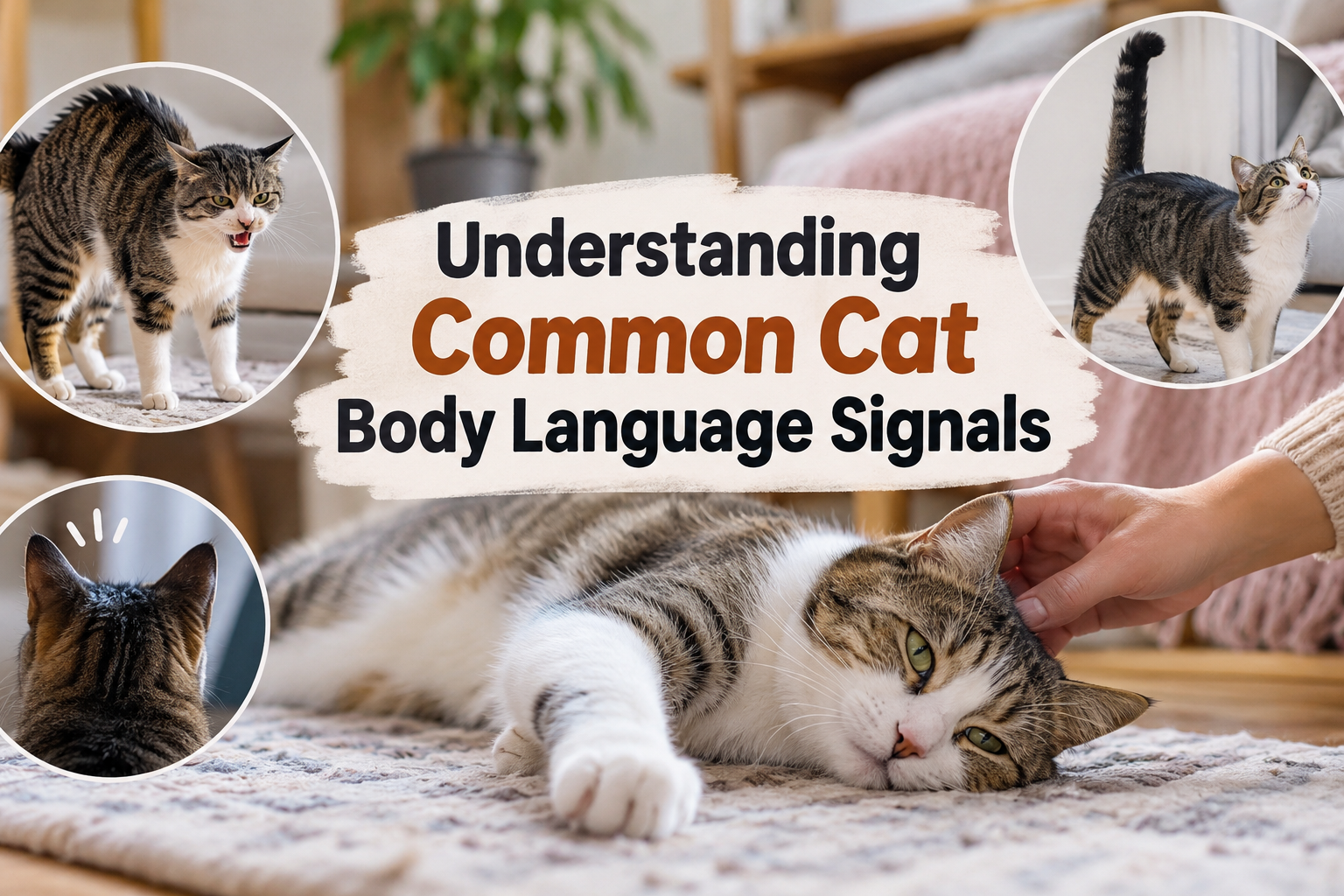
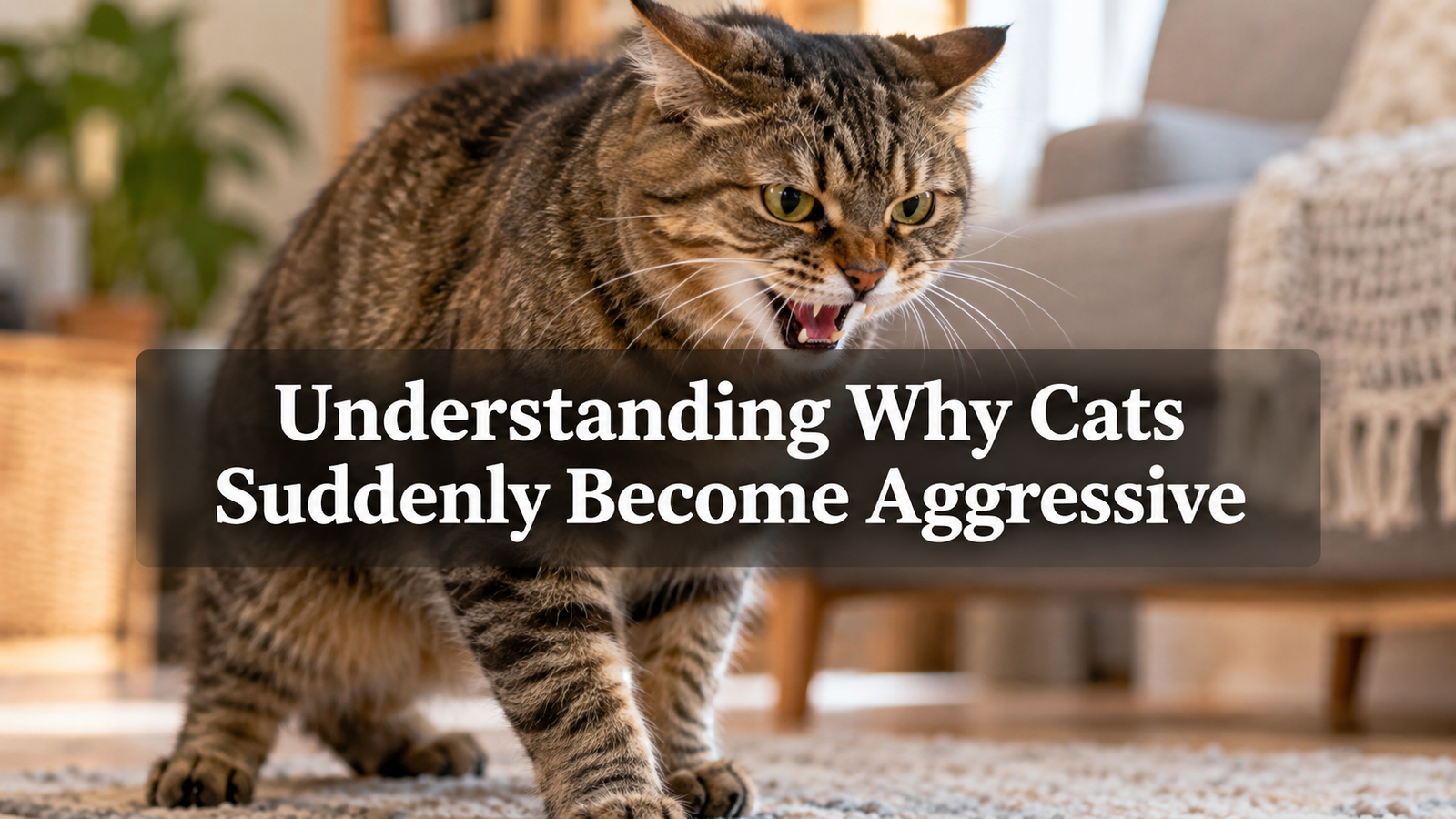
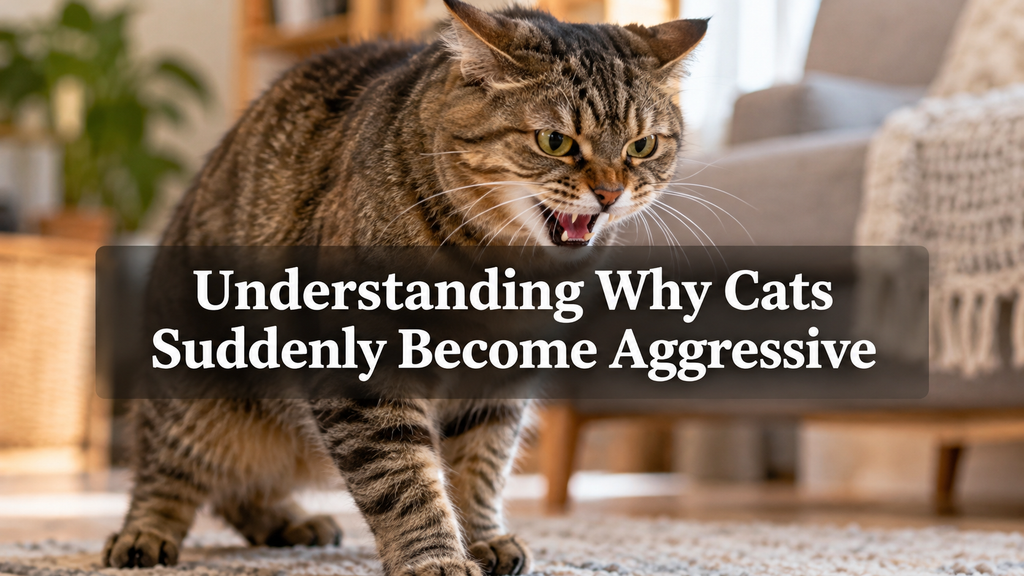
A cat that feels threatened may hiss, growl, swat, scratch, or bite. Its ears may move backward, its pupils may become larger, and its body may become stiff. Some cats raise the hair along their back or tail to make themselves appear larger.
Other cats show more subtle warning signs before becoming aggressive. They may rapidly move their tail, turn their head toward your hand, flatten their ears slightly, or suddenly stop purring.
These signals are important because they often appear before a bite or scratch. Learning your cat’s body language can help you understand when it wants space.
Pain Can Cause Sudden Aggression
One of the most important reasons a normally friendly cat may suddenly become aggressive is physical discomfort.
Cats are very good at hiding pain. In nature, showing weakness can make an animal vulnerable, so cats often continue behaving normally even when something hurts.
However, when someone touches a painful area, the cat may react defensively.
For example, a cat experiencing dental discomfort may become irritated when its face is touched. Joint pain can make a cat uncomfortable when someone picks it up. An injury may also cause a normally gentle cat to scratch or bite when handled.
If your cat suddenly becomes aggressive without an obvious reason, especially when certain parts of its body are touched, a veterinary examination is a sensible step.
Sudden behavioral changes should not automatically be treated as a training problem. Sometimes behavior is the first noticeable sign that a cat is uncomfortable.
Fear Is a Common Cause of Cat Aggression
Fear is another major reason cats become aggressive.
When a cat feels trapped or threatened, it has several possible reactions. It can hide, escape, freeze, or defend itself.
If escape is not possible, aggression may become the cat’s final option.
A frightened cat may lower its body, flatten its ears, widen its eyes, hiss, and prepare to defend itself.
Many things can trigger fear. Loud noises, unfamiliar visitors, new pets, children, household repairs, transportation, or sudden movements may make a cat uncomfortable.
Even an object that seems harmless to humans can frighten a cat if it is unfamiliar.
The best response to fear based aggression is usually to give the cat space. Trying to hold, punish, or comfort a frightened cat by force can increase its stress.
Allow the cat to move toward a safe location where it can calm down.
Petting Can Sometimes Lead to Aggression
Some owners are surprised when a cat suddenly bites them during petting. The cat may have been purring only seconds earlier.
This behavior is sometimes called petting related aggression or overstimulation.
Cats have different levels of tolerance for physical contact. Some enjoy being stroked for long periods, while others prefer only a few gentle touches.
A cat may initially enjoy attention but gradually become overstimulated. When it reaches its limit, it may suddenly swat or bite.
However, the reaction is rarely completely without warning.
Watch your cat carefully while petting it. A twitching tail, skin movement along the back, flattened ears, tension in the body, or a sudden turn of the head can indicate that the cat has had enough.
Stopping before the cat becomes irritated can prevent many aggressive incidents.
Territorial Behavior Can Create Problems
Cats are naturally territorial animals. Their environment is extremely important to them.
A cat may consider certain rooms, sleeping places, food areas, or outdoor spaces part of its territory. When another animal enters that space, the cat may feel threatened.
Introducing a new cat is one of the most common situations that causes territorial aggression.
Even if your existing cat has always been friendly, it may react strongly when another cat suddenly appears inside the home.
This does not necessarily mean that the cats will never get along. Introductions often need to happen gradually.
Giving each cat its own food bowls, resting areas, litter facilities, and safe spaces can reduce competition.
Rushing introductions can increase tension and make it more difficult for the cats to build a comfortable relationship.
Redirected Aggression Can Seem Completely Unexpected
Redirected aggression is one of the most confusing types of cat behavior.
Imagine that your indoor cat sees another cat outside the window. It becomes extremely excited or frustrated because it cannot reach the animal.
You walk toward your cat and try to touch it.
Suddenly, your cat turns around and attacks you.
The aggression appears to be directed at you, but you were not the original cause.
This is redirected aggression.
The same thing can happen after a loud noise, a stressful encounter, or another situation that creates intense excitement.
When a cat is extremely stimulated, avoid immediately touching or picking it up. Give it time and space to calm down.
Changes in Routine Can Increase Stress
Cats often prefer predictable routines.
They learn when food arrives, where people spend their time, when the house becomes quiet, and where they can safely rest.
Major changes can create stress.
Moving to a new home, changing furniture, introducing a new person, bringing home a baby, adopting another animal, or changing feeding schedules can affect a cat’s behavior.
Even smaller changes may matter to sensitive cats.
A stressed cat may hide more often, become less social, change its eating habits, or respond more aggressively to handling.
Providing consistency can help.
Try to maintain familiar feeding times, play sessions, resting areas, and daily interactions whenever possible.
Cats Need Personal Space
People sometimes expect cats to enjoy physical affection whenever their owners want to provide it.
Cats do not always work that way.
Many cats enjoy attention but prefer to control when the interaction begins and ends.
A cat that walks away may simply be saying that it wants some space.
Following the cat, repeatedly picking it up, or continuing to touch it can eventually result in defensive behavior.
Respecting a cat’s boundaries can significantly improve trust.
Allow your cat to approach you on its own. When it leaves, let it go.
Over time, the cat may actually become more affectionate because it learns that interactions with you are safe and predictable.
Play Aggression Is Common in Young Cats
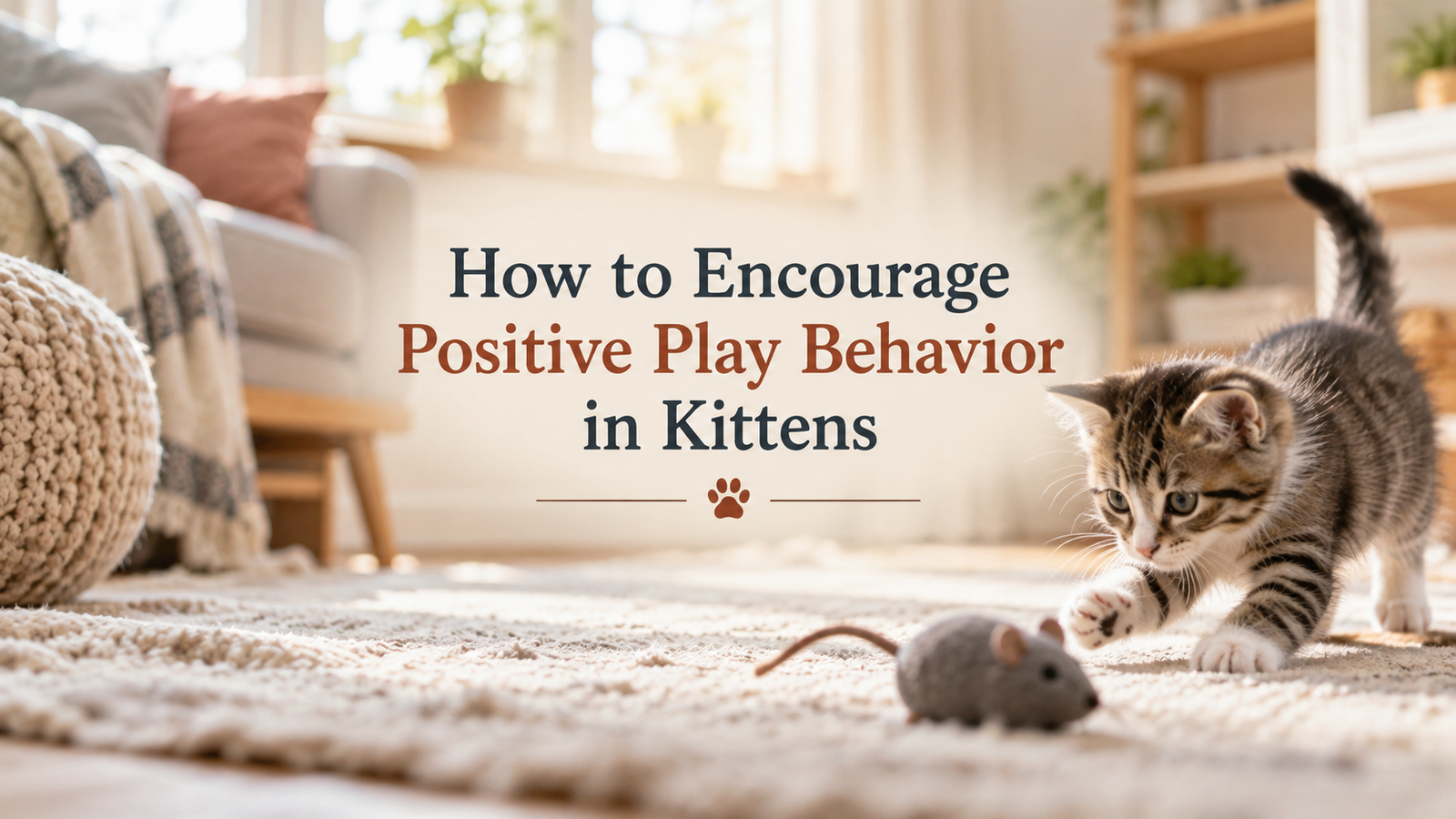
Kittens and young cats often display behavior that looks aggressive even when they are actually playing.
Stalking, chasing, jumping, biting, and grabbing are natural parts of feline play.
These behaviors help young cats practice hunting skills.
Problems develop when cats learn that human hands and feet are acceptable toys.
A kitten biting fingers may seem cute, but the same behavior becomes painful when the cat grows larger and stronger.
Use interactive toys instead of hands during play.
Wand toys, balls, and other safe cat toys allow your pet to chase and pounce without attacking people.
Regular play sessions can also provide an appropriate outlet for energy.
Lack of Stimulation Can Cause Frustration
Indoor cats need more than food, water, and a comfortable place to sleep.
They also need opportunities to explore, climb, scratch, observe, chase, and play.
Without enough stimulation, some cats become bored or frustrated.
That frustration may appear as destructive behavior, excessive activity, or aggressive play.
Creating an interesting environment can make a major difference.
Provide scratching surfaces, climbing areas, window views, hiding places, puzzle activities, and regular interactive play.
You do not need an enormous house or expensive equipment. Even simple cardboard boxes, safe shelves, rotating toys, and daily play sessions can make the environment more interesting.
Never Punish a Cat for Aggression
When a cat scratches or bites, it is natural for a person to feel upset.
However, physical punishment, shouting, or frightening the cat usually makes the situation worse.
Punishment does not explain what behavior you want instead. It may simply teach the cat that you are unpredictable or threatening.
This can increase fear and make future aggression more likely.
Instead, focus on identifying what caused the behavior.
Was the cat frightened?
Was it being touched for too long?
Was another animal nearby?
Was it protecting a favorite space?
Understanding the trigger is much more useful than reacting angrily.
Learn to Read Your Cat’s Body Language
One of the best ways to prevent cat aggression is to recognize early warning signs.
Pay attention to the entire body rather than focusing on only one signal.
Watch the ears, eyes, tail, posture, whiskers, and movement.
A relaxed cat generally has softer body movements and a comfortable posture. A worried or irritated cat may become stiff, stare intensely, move its tail sharply, or position its ears sideways or backward.
Every cat is slightly different.
The more time you spend calmly observing your cat, the easier it becomes to understand what its signals mean.
Create Safe Spaces Around the Home
Cats feel more secure when they know they can escape from uncomfortable situations.
Provide quiet areas where your cat can rest without being disturbed.
Many cats enjoy elevated spaces because they can observe their surroundings from a safe position.
Cat trees, shelves, window platforms, and other approved climbing areas can be useful.
Hiding places are equally important.
A cardboard box, covered bed, or quiet corner can give a nervous cat somewhere to relax.
If you have children, teach them that the cat’s resting area should be respected.
A cat that knows it can retreat safely may feel less need to defend itself aggressively.
When Should You Seek Professional Help?
Occasional irritation does not always indicate a serious problem. However, repeated or severe aggression deserves attention.
Seek veterinary advice if your cat’s personality changes suddenly, aggression appears without an obvious trigger, the cat reacts painfully when touched, or other physical or behavioral changes appear at the same time.
Once medical causes have been considered, a qualified feline behavior professional may also help with difficult behavioral problems.
Keeping notes about when aggressive episodes occur can be useful.
Write down what happened before the incident, where the cat was, who was nearby, and how the cat behaved afterward.
Patterns sometimes become much easier to identify when incidents are recorded.
Building Trust After an Aggressive Incident
After a cat scratches or bites, avoid immediately forcing another interaction.
Give the cat time to settle.
When it becomes relaxed again, return to your normal routine.
You can rebuild positive interactions through calm play, gentle communication, predictable feeding, and respect for the cat’s personal space.
Do not assume that one aggressive incident has permanently damaged your relationship.
Cats respond strongly to their environment and experiences. When the cause of their discomfort is understood and managed properly, many cats return to their normal behavior.
Final Thoughts
Understanding why cats suddenly become aggressive requires patience and careful observation. Aggression is rarely meaningless. It can be connected to fear, pain, overstimulation, territorial behavior, stress, redirected excitement, boredom, or a cat’s need for personal space.
Instead of viewing aggression as simple bad behavior, think of it as information. Your cat is communicating that something about the current situation does not feel comfortable.
Learn its body language, respect its boundaries, provide enough physical and mental stimulation, and maintain a predictable environment. Never rely on punishment to solve aggressive behavior.
Most importantly, take sudden or unusual behavioral changes seriously because physical discomfort can sometimes be involved.
When owners begin paying attention to what happens before aggression occurs, cat behavior becomes much easier to understand. With patience, appropriate care, and respect for your cat’s individual personality, you can reduce stressful situations and build a calmer, safer, and more trusting relationship with your feline companion.